

Proper storage is one of the most important parts of caring for a leather coat. Whether you own a classic leather jacket or a premium Pelle Pelle coat, the way you store it can affect its shape, softness, color, and overall lifespan. Leather is a natural material that needs protection from moisture, excessive heat, sunlight, dust, and pressure.
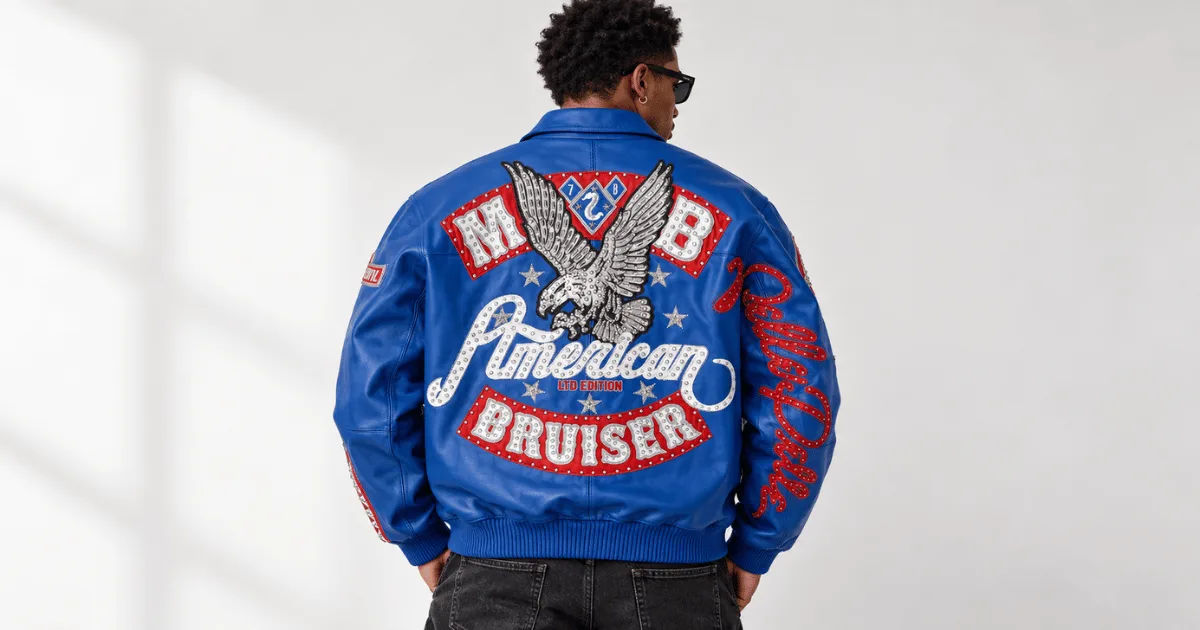
A leather coat should never simply be folded and placed in a crowded closet for several months. Poor storage can create permanent creases, dry out the leather, encourage mold growth, and damage decorative details. Fortunately, proper storage does not require complicated equipment. With a few careful steps, you can keep your coat looking attractive and comfortable season after season.
This comprehensive guide explains how women can store leather coats correctly, whether they are being stored for a few weeks or for an entire warm season.
Why Proper Leather Coat Storage Matters
Leather is different from cotton, polyester, and many other clothing materials. It contains natural oils and has a structure that can change when exposed to unfavorable conditions.
A leather coat can become dry or brittle when exposed to excessive heat. Humidity can encourage mildew, while direct sunlight may cause fading. Improper hanging can also stretch the shoulders or distort the shape of the garment.
High-quality pieces such as Pelle Pelle coats deserve particular attention because their appearance often depends on maintaining the leather, stitching, hardware, and decorative details in good condition.
Good storage helps prevent:
- Permanent wrinkles and creases
- Leather drying and cracking
- Mold and mildew
- Color fading
- Shoulder deformation
- Dust accumulation
- Unpleasant odors
- Damage to buttons, zippers, and decorations
Taking a little time to prepare a coat before storage can therefore prevent expensive repairs later.
Clean the Coat Before Storage
One of the first rules of leather coat storage is to clean the garment before putting it away.
Dust, body oils, food particles, perfume, and other substances can remain on leather after regular use. If these contaminants stay on the surface for months, they may contribute to staining or unpleasant odors.
Remove Surface Dust
Use a soft, clean cloth to gently remove dust from the exterior. Avoid rubbing aggressively because strong friction can affect delicate finishes.
For textured, decorated, or embellished leather, pay attention to seams and small areas where dust can collect.
Deal With Stains Carefully
Do not automatically use household cleaners on leather. Products designed for fabric, alcohol-based cleaners, bleach, or strong detergents can damage the finish.
If the coat has a significant stain, follow the manufacturer's care instructions or take it to a professional leather cleaner.
For an expensive Pelle Pelle coat, professional cleaning may be the safest choice when dealing with stubborn stains, unusual finishes, or decorative elements.
Make Sure the Coat Is Completely Dry
Moisture is one of leather's biggest storage problems.
Never store a leather coat while it is damp from rain, snow, cleaning, or condensation. Even a small amount of trapped moisture can create an environment where mold and mildew develop.
If your coat becomes wet, hang it in a well-ventilated indoor area and allow it to dry naturally.
Avoid Direct Heat
Do not place a wet leather coat next to a radiator, heater, fireplace, hair dryer, or other strong heat source.
Rapid heating can remove natural moisture and oils from leather. This may cause the material to become stiff or brittle.
Instead, allow the coat to dry slowly at room temperature. This simple approach is especially important for maintaining the flexibility of a Pelle Pelle leather garment.
Use the Right Hanger
The hanger you choose can have a major impact on the shape of a leather coat.
Thin wire hangers are generally a poor choice because they provide little support. Over time, they can create pressure points and distort the shoulders.
Choose a Wide, Padded Hanger
A broad, sturdy, padded hanger is a better option. It supports the shoulders and distributes the weight of the coat more evenly.
The hanger should be strong enough to support the weight of the leather without bending.
For heavier coats, including substantial Pelle Pelle styles, a strong wooden or padded hanger can help maintain the original shape.
Never Cram Leather Coats Into a Closet
Leather needs room to breathe.
Avoid pushing a leather coat between tightly packed clothes. When garments are pressed together for long periods, leather may develop unwanted wrinkles and have limited airflow.
Give the coat enough space so air can move around it. This is particularly important in humid environments.
A spacious wardrobe also reduces the chance of metal zippers, buckles, or decorations rubbing against other garments.
Choose a Breathable Garment Cover
A breathable garment bag can protect a leather coat from dust while still allowing air circulation.
Avoid Plastic Bags
Plastic garment bags are not ideal for long-term leather storage. They can trap humidity around the garment, increasing the risk of mildew.
Instead, use a breathable fabric cover such as cotton or another material specifically designed for clothing storage.
The same principle applies when storing Pelle Pelle coats. The garment should be protected from dust without being sealed inside an environment where moisture can become trapped.
Store Leather in a Cool, Dry Place
The storage environment matters almost as much as the way the coat is covered.
Leather coats should be kept in a location that is cool, dry, and reasonably well ventilated.
Avoid areas that experience major temperature or humidity changes.
Keep the Coat Away From Sunlight
Direct sunlight can gradually fade leather. It may also contribute to drying and deterioration of the material.
A dark closet is generally better than an open clothing rack positioned beside a sunny window.
If your Pelle Pelle coat has a particularly rich or dark finish, protecting it from prolonged sunlight can help preserve its appearance.
Avoid Damp Storage Areas
Basements, poorly ventilated storage rooms, and areas near plumbing may have higher humidity.
If your home has high humidity, consider improving ventilation or using a suitable dehumidifier. However, do not place a dehumidifier so close to the coat that the material becomes excessively dry.
Do Not Fold a Leather Coat for Long-Term Storage
Hanging is generally preferable to folding when storing a leather coat for an extended period.
Folding can create sharp creases that may become difficult to remove. Repeated folding can also cause stress along particular areas of the leather.
If you absolutely need to fold a coat temporarily for transportation or limited storage, avoid creating tight folds and do not place heavy objects on top of it.
For long-term storage, keeping Pelle Pelle outerwear properly supported on a suitable hanger is usually a better approach.
Keep Heavy Objects Away From the Coat
Do not place boxes, bags, books, or other heavy items on top of a stored leather coat.
Pressure can flatten textured surfaces, create wrinkles, and potentially damage decorative features.
If the coat has embroidery, patches, studs, printed artwork, or other embellishments, additional care is necessary.
Give these details enough space so they are not pressed against hard objects.
Condition Leather When Appropriate
Some leather coats benefit from occasional conditioning to help maintain softness and flexibility.
However, conditioning should not be treated as a universal rule for every leather garment. Different leather finishes have different requirements.
Follow the Manufacturer's Instructions
Before applying any conditioner, check the care label and manufacturer's recommendations.
A product that works well on one type of leather may not be appropriate for another.
When in doubt, test a compatible leather-care product on a small, hidden area first. This can help reveal whether it changes the color or finish.
For premium Pelle Pelle garments, using an appropriate leather-care product and following the care instructions can help avoid accidental damage.
Protect the Coat From Perfume and Chemicals
Leather can react badly to certain chemicals.
Before storing a coat, avoid spraying perfume, hairspray, disinfectants, or other chemical products directly onto it.
If perfume is part of your routine, apply it to your skin and allow it to dry before putting on the coat.
Also keep stored leather away from cleaning chemicals, solvents, and other substances that could accidentally spill onto the garment.
Check the Coat During Long-Term Storage
Even when a leather coat is stored correctly, it is helpful to inspect it occasionally.
If a coat remains untouched for an entire season, small problems may go unnoticed until they become more serious.
Every few weeks or at least once during long-term storage, check for:
- Moisture
- Mold or mildew
- Unusual odors
- Insects
- Surface damage
- Changes in color
- Stiffness or cracking
If you notice moisture or an unusual smell, move the coat to a dry, well-ventilated location and investigate the source of the problem.
Regular checks are especially useful for valuable garments such as Pelle Pelle leather coats.
How to Store Leather Coats During Summer
Many women wear leather coats primarily during autumn and winter. When warmer weather arrives, long-term seasonal storage becomes important.
Before putting the coat away for summer, clean it according to its care instructions and make sure it is completely dry.
Place it on a wide hanger and cover it with a breathable garment bag. Store it in a cool closet away from direct sunlight.
Do not place the coat in an attic or garage if those areas experience extreme temperatures or humidity.
Give the Coat Enough Space
Seasonal storage often means the coat will remain untouched for several months.
Make sure it is not squeezed between other clothing. Allowing enough space around the garment helps maintain its shape and improves airflow.
This is particularly useful for Pelle Pelle outerwear that may feature heavier leather, decorative elements, or distinctive designs.
How to Store Leather Coats in Small Closets
Limited closet space can make leather storage more difficult, but there are still practical solutions.
Instead of folding the coat into a drawer, reorganize the closet to create enough hanging space. Remove unnecessary clothing or use a separate garment rack in a suitable room.
A strong hanger is more important than maximizing the number of garments in a small space.
If several leather pieces are stored together, make sure their hardware and decorative features do not press against one another.
What to Do Before Wearing the Coat Again
After months of storage, do not immediately wear the coat without checking it.
Remove the garment bag and inspect the leather under good lighting. Look for dust, moisture, mildew, creases, or changes in texture.
Allow the coat to air in a clean indoor space for a short period if it has been enclosed in a garment bag.
If it feels slightly stiff, do not forcefully bend or stretch it. Follow the appropriate care instructions or seek professional advice.
A properly stored Pelle Pelle coat should be ready to wear with minimal preparation when the cooler season returns.
Common Leather Storage Mistakes
Some storage habits can cause more damage than people realize.
Using Plastic Covers
Plastic can trap moisture and reduce airflow. A breathable cover is generally more appropriate for long-term leather storage.
Using Thin Hangers
Thin hangers can create pressure around the shoulders and affect the coat's shape.
Storing Damp Leather
Moisture left inside a closet can encourage mold and mildew.
Exposing Leather to Heat
Radiators, heaters, and strong sunlight can dry and damage leather.
Folding the Coat for Months
Long-term folding can create permanent creases and distort the material.
Applying Random Cleaning Products
Household cleaners can damage leather finishes. Always use products suitable for the specific type of leather.
Avoiding these mistakes can significantly improve the lifespan of a leather coat.
When Should You Use Professional Leather Care?
Home maintenance is useful for routine care, but professional assistance is sometimes the better option.
Consider professional leather cleaning if the coat has a serious stain, extensive odor, mold, discoloration, or another difficult problem.
Professional care can also be useful for valuable or heavily decorated garments where experimenting with cleaning products could cause permanent damage.
If you are unsure about caring for a Pelle Pelle coat, checking the manufacturer's instructions before taking action is a sensible first step.
Frequently Asked Questions
Can I store a leather coat in a plastic garment bag?
Plastic garment bags are generally not recommended for long-term leather storage because they can restrict airflow and trap moisture. A breathable fabric garment bag is usually a better option.
Should a leather coat be hung or folded?
For long-term storage, hanging is generally preferable. Use a wide, sturdy hanger that supports the shoulders properly and prevents the coat from developing unnecessary creases.
Can leather coats be stored in a basement?
A basement may not be suitable if it is damp or has high humidity. Leather should be stored somewhere cool, dry, and well ventilated to reduce the risk of mildew and deterioration.
How often should a stored leather coat be checked?
For seasonal storage, checking the coat at least once during the storage period is a good practice. Look for moisture, mildew, insects, odors, and changes in the leather.
Should I condition my leather coat before storage?
Conditioning may be appropriate for some leather types, but not every leather finish requires it. Always follow the manufacturer's care instructions and use a compatible product.
Conclusion
Proper storage can make a significant difference in the life of a women's leather coat. Leather is durable, but it still needs protection from moisture, heat, sunlight, pressure, dust, and unsuitable cleaning products.
The best approach is straightforward: clean the coat appropriately, make sure it is completely dry, place it on a broad and sturdy hanger, use a breathable garment cover, and keep it in a cool, dry, dark, and well-ventilated closet.
Avoid plastic bags, crowded wardrobes, direct heat, excessive sunlight, and long-term folding. Regular inspections are also worthwhile, particularly when the coat is being stored for several months.
With consistent care, a quality Pelle Pelle leather coat can maintain its shape, texture, and appearance for many years. Treating leather as a material that requires thoughtful maintenance rather than ordinary clothing will help preserve both its comfort and visual appeal. Good storage is not simply about putting a coat away; it is about preparing it properly so it remains ready to wear when the next season arrives.