

Not every MRI requires fasting. Many routine MRI examinations can be performed after eating and drinking normally. However, some scans have preparation requirements because food or drink can affect the examination or because medication, contrast, or sedation may be involved. 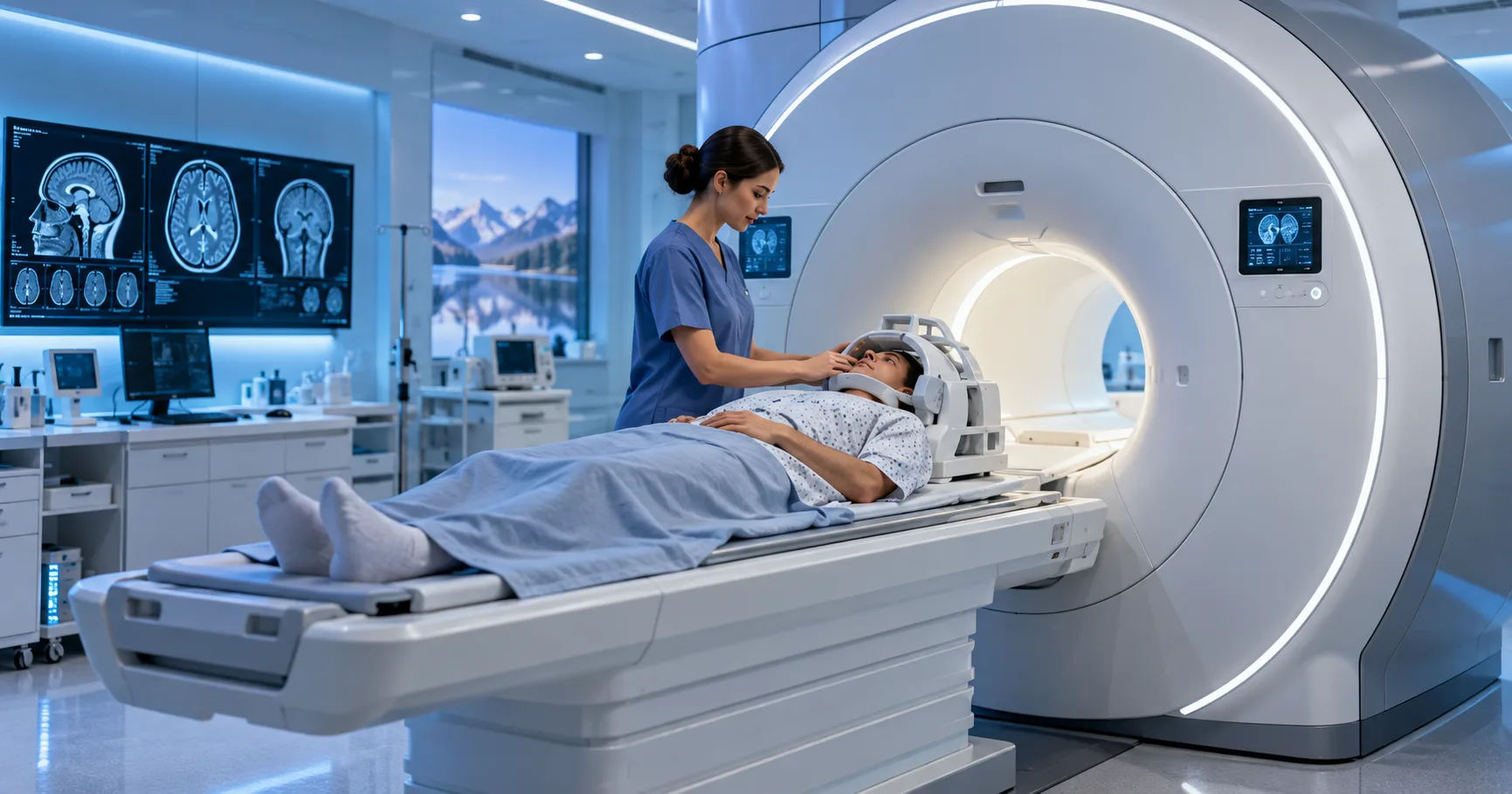 When arranging an mri karachi appointment, it is therefore useful to ask the imaging center exactly what preparation is required for your specific examination. Following the center's instructions is more important than assuming that every MRI has the same fasting rules.
What Is an MRI?
Magnetic resonance imaging, commonly called MRI, is an imaging technique that uses a strong magnetic field and radio waves to create detailed pictures of structures inside the body.
Unlike X-rays and CT scans, MRI does not use ionizing radiation. It can produce particularly detailed images of soft tissues, including the brain, spinal cord, muscles, joints, organs, and other structures.
An MRI examination may be ordered for many different reasons. The preparation depends largely on the body area being examined and the specific protocol selected by the radiologist.
Do All MRI Scans Require Fasting?
No. Fasting is not automatically necessary for every MRI.
For many routine examinations, patients can eat and drink as usual. For example, certain scans of the brain, spine, joints, or muscles may not require dietary preparation.
Other examinations can have different requirements. Abdominal or pelvic imaging may sometimes involve restrictions on eating or drinking so that the images are clearer or the organs being assessed are in an appropriate condition for the examination.
This is why patients should not assume that a fasting rule from one MRI appointment applies to another.
When Might Fasting Be Recommended?
There are several situations in which an imaging facility may ask a patient to avoid food or drinks before an MRI.
Abdominal or Specific Organ MRI
Some abdominal examinations may require fasting because eating can influence the digestive system and certain abdominal organs.
A radiology department may provide specific instructions about when to stop eating and whether clear liquids are permitted. The exact requirement can vary according to the examination protocol.
MRI With Sedation
Some patients, particularly those who have difficulty remaining still or have severe anxiety in enclosed spaces, may undergo an MRI with sedation.
Sedation can have its own safety requirements. Fasting may be necessary because of the effects of sedation on protective reflexes and the risk of complications.
If sedation is planned, the medical team should provide specific instructions. These instructions should be followed carefully rather than using general MRI advice found online.
Certain Contrast-Enhanced Examinations
MRI contrast agents are used for some examinations to make particular tissues or abnormalities easier to distinguish.
Having contrast does not automatically mean that everyone must fast. Requirements depend on the examination and the policies of the facility.
If your scan involves contrast, ask the imaging center whether you should eat normally or follow any special preparation instructions.
Can You Drink Water Before an MRI?
Whether water is allowed depends on the instructions for your particular examination.
For many MRI scans, normal hydration is acceptable. However, certain examinations or procedures may involve restrictions on both food and fluids.
If your appointment letter or imaging center gives a specific fasting period, follow those instructions. If they are unclear, contact the center before arriving.
It is especially important to clarify the rules if you take regular medication, because some medicines may need to be taken with water or handled differently when fasting.
Why Should You Follow the Imaging Center's Instructions?
MRI preparation is designed around the specific examination rather than the machine itself.
Two patients may both have an MRI but receive completely different preparation instructions. One might be told to eat normally, while another might be asked to avoid food for a particular period.
The difference can come from the body part being examined, the imaging protocol, contrast administration, sedation, or other medical considerations.
When booking an mri karachi appointment, ask for written preparation instructions whenever possible. This reduces the chance of misunderstanding what you should do before the scan.
What Happens If You Eat Before an MRI?
If you accidentally eat before an MRI, do not panic.
Whether the examination can continue depends on the type of MRI and the reason fasting was requested. Eating before a routine scan that does not require fasting may not cause any problem at all.
However, if fasting was required for a particular examination or sedation, the radiology team may need to decide whether the appointment can proceed.
Tell the staff honestly what you ate and when you ate it. They can determine the appropriate next step.
Should You Take Your Regular Medicines?
Do not stop prescription medication simply because you have an MRI unless a qualified healthcare professional specifically tells you to do so.
Some medications can be taken normally, while others may have special instructions depending on the examination.
Patients with conditions such as diabetes may require particular attention to fasting because changes in food intake can affect blood glucose levels.
If you have diabetes or take medication that must be taken with food, mention this when scheduling your scan. The imaging center or your healthcare professional can tell you how to prepare safely.
What Should You Tell the MRI Center?
Before an MRI, the radiology staff should know about relevant medical circumstances.
Tell them if you have any implanted medical devices, metal fragments, certain surgical implants, or other objects that could be affected by the MRI's magnetic field.
You should also mention if you are pregnant or think you may be pregnant. Your healthcare team can determine whether MRI is appropriate and what precautions are needed.
If contrast is planned, provide information about relevant medical history and previous reactions to contrast agents.
These questions are part of normal MRI safety screening.
What Should You Wear?
Comfortable clothing is usually a practical choice.
MRI rooms can have restrictions on metal objects, so patients may be asked to remove jewelry, watches, belts, certain accessories, or clothing containing metallic components.
The facility may provide appropriate clothing if necessary.
Avoid bringing unnecessary valuables to the appointment. Following the center's instructions makes the process easier and reduces delays.
How Long Does an MRI Take?
MRI examination times vary considerably.
Some scans may be completed relatively quickly, while more complicated examinations can take considerably longer. The time also depends on whether multiple areas are being examined and whether contrast is required.
During the examination, remaining still is important because movement can reduce image quality.
The MRI machine can also produce loud knocking or buzzing sounds. Patients are commonly provided with hearing protection.
Is MRI Painful?
MRI itself is generally not painful.
The patient usually lies on a table that moves into the scanner. The main challenge for some people is remaining still for an extended period or being uncomfortable in an enclosed space.
Some examinations may require a particular position, which can be uncomfortable for patients who already have pain or limited movement.
If you are worried about discomfort or claustrophobia, tell the imaging staff before the examination begins.
Does Contrast Change MRI Preparation?
It can, depending on the circumstances.
Contrast-enhanced MRI uses a substance administered to improve visualization of certain tissues or blood vessels. The radiology team determines whether contrast is appropriate based on the examination and clinical information.
Contrast does not mean that fasting is always necessary. Patients should therefore follow the instructions provided for their specific appointment rather than assuming that contrast automatically requires fasting.
What If You Are Unsure About the Fasting Rules?
The safest approach is to contact the imaging center before your appointment.
Tell them the exact MRI examination you have been scheduled for and ask whether you can eat, drink water, and take your usual medicines.
This is particularly important if the appointment involves sedation, a specialized abdominal examination, or another procedure with additional preparation.
If you received written instructions, read them carefully. If something appears contradictory or unclear, ask the radiology department to clarify it.
Preparing for an MRI in Karachi
When arranging an mri karachi appointment, preparation should begin with confirming the exact examination rather than simply searching for general fasting rules.
Ask the facility about arrival time, fasting, medications, contrast, previous imaging, clothing, and any required medical documents.
It can also be helpful to arrive early enough to complete safety screening without rushing.
Bring any relevant referral or prescription documents requested by the facility. If you have previous imaging reports or scans that your doctor wants the radiologist to compare, ask whether you should bring them.
Preparation requirements can differ between imaging centers, so instructions from the facility performing your scan should take priority.
Why Individual Instructions Matter
Medical imaging is not a one-size-fits-all process.
The same MRI machine can be used for examinations of many different body areas. Each examination can have a different protocol, and the preparation requirements can therefore vary.
General internet advice can explain common practices, but it cannot replace the instructions given for your particular appointment.
This is especially important for patients with medical conditions or those undergoing sedation.
Conclusion
So, does an MRI require fasting? Sometimes, but not always. Many routine MRI examinations do not require patients to fast. However, certain examinations may involve restrictions on food or fluids, particularly when specific preparation, sedation, or a specialized imaging protocol is involved.
If you are scheduling an mri karachi examination, do not assume that fasting is necessary or unnecessary based solely on what another patient was told. Confirm the requirements with the imaging center performing your scan.
Ask specifically whether you can eat, drink water, and take your regular medicines before arriving. If you accidentally eat when you were supposed to fast, inform the radiology staff rather than hiding the mistake. They can determine whether the examination can safely proceed.
Good preparation can make the appointment smoother and help the imaging team obtain the information your doctor needs. The most reliable guidance will always come from the radiology facility and healthcare professionals responsible for your particular examination.