

Gaining weight in a healthy way requires more than simply eating larger portions or consuming high-calorie foods. The body needs a balanced combination of protein, carbohydrates, healthy fats, vitamins, and minerals to support muscle development, energy production, and overall health. For people who struggle to gain weight, milk powder can be a convenient addition to their daily diet. However, understanding its nutritional value and appropriate use is important before making it a regular part of a weight-gain routine.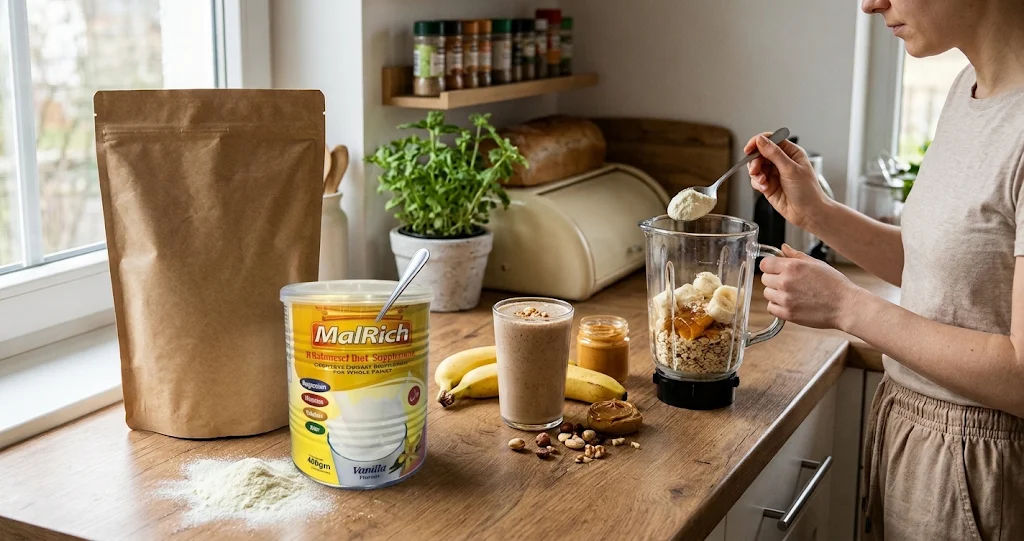
Milk powder is made by removing most of the water from liquid milk while retaining many of its essential nutrients. Depending on the product, it can provide protein, calcium, carbohydrates, and other nutrients that support normal body functions. People researching mall rich milk price in pakistan may also want to understand whether milk powder offers good nutritional value and whether it is suitable for regular consumption.
The answer depends on the ingredients, serving size, individual nutritional needs, and overall eating habits. Milk powder can support healthy weight gain when used appropriately, but it is not a guaranteed solution. A balanced diet, regular physical activity, and sufficient sleep remain important for achieving sustainable results.
Milk Powder for Weight Gain
Milk powder is a concentrated dairy product produced by removing water from fresh milk. It is available in different varieties, including whole milk powder, skimmed milk powder, and specially formulated nutritional powders.
These products differ in their calorie, protein, carbohydrate, and fat content. Therefore, choosing the right type is important for anyone who wants to increase their body weight.
Whole milk powder generally contains more calories because it retains milk fat. Skimmed milk powder contains less fat but can still provide protein and calcium.
Some nutritional powders also contain additional ingredients, such as vitamins, minerals, carbohydrates, or added protein. These ingredients may increase the overall nutritional value, depending on the formulation.
How Milk Powder Supports Weight Gain
Healthy weight gain usually requires consuming more calories than the body burns throughout the day. This is commonly called a calorie surplus.
Milk powder can help create this surplus because it provides concentrated nutrition in a relatively small serving.
For example, someone who finds it difficult to drink several glasses of liquid milk may find it easier to add milk powder to smoothies, porridge, or other meals.
The additional calories can support gradual weight gain when combined with regular meals.
However, consuming more calories does not automatically mean gaining muscle. Without adequate protein intake and resistance exercise, some of the additional weight may come from body fat.
Different Types of Milk Powder
Understanding the available varieties can help consumers make better decisions.
Whole milk powder: This variety contains milk fat, protein, carbohydrates, and naturally occurring milk nutrients. Its higher calorie content can make it useful for people who need additional dietary energy.
Skimmed milk powder: This option contains considerably less fat while retaining protein and several important minerals. It may suit people who want additional protein without consuming as many calories from fat.
Fortified milk powder: Some products contain added vitamins and minerals, such as vitamin D and iron. Their nutritional benefits depend on the specific formulation.
Specialized nutritional powder: Certain products are designed to provide additional calories, protein, or other nutrients. Consumers should examine their ingredients rather than assuming every nutritional powder is suitable for everyone.
Nutritional Benefits of Milk Powder
mall rich milk price in pakistan offers several nutrients that can contribute to a healthy diet. Its benefits depend on the type of milk used and whether additional ingredients have been included.
Provides High-Quality Protein
Protein is essential for building and maintaining muscles. It also supports tissue repair, immune function, and the production of important enzymes.
Milk proteins include casein and whey. Both provide essential amino acids that the body needs for normal growth and maintenance.
People trying to gain weight can benefit from including protein-rich foods throughout the day.
Adding milk powder to oatmeal, smoothies, or homemade shakes can increase the protein content of these meals.
However, milk powder should complement other protein sources rather than replace a varied diet. Eggs, fish, chicken, beans, lentils, yogurt, and nuts can also contribute valuable protein.
Supplies Additional Calories
One of the main reasons people use whole milk powder for weight gain is its concentrated calorie content.
Because the water has been removed, a relatively small quantity of powder can provide the nutrients found in a larger amount of prepared milk.
This can be helpful for people with busy schedules or limited appetites.
Instead of forcing themselves to eat unusually large meals, they can add milk powder to foods they already enjoy.
Nevertheless, portion sizes matter. Excessive consumption can increase calorie intake beyond what the body needs.
Supports Bone Health
Milk powder generally contains calcium, which is essential for maintaining strong bones and teeth.
Calcium also plays an important role in muscle contraction, nerve communication, and several other body functions.
Some fortified products also contain vitamin D, which helps the body absorb calcium.
Adequate calcium and vitamin D intake are especially important during adolescence and adulthood because bone health develops and changes throughout life.
Milk powder can contribute to these nutritional requirements, although it should not be considered the only source of bone-supporting nutrients.
Provides Important Vitamins and Minerals
Depending on the formulation, milk powder can supply several essential nutrients.
These may include:
-
Calcium for bone and dental health.
-
Phosphorus for bones and normal energy metabolism.
-
Potassium for normal muscle and nerve function.
-
Vitamin B12 for healthy blood cells and nervous system function.
-
Riboflavin for energy metabolism.
-
Vitamin D in fortified varieties.
Reading the nutrition label is important because nutrient levels vary between brands and products.
Is Milk Powder Healthy for Regular Use?
Milk powder can be healthy for regular consumption when it is suitable for an individual's nutritional requirements and consumed in reasonable quantities.
It provides many of the nutrients found in liquid milk, making it a convenient option for people who want to improve their daily nutritional intake.
However, the quality of a product matters.
Consumers should look for products with clear ingredient lists, reliable manufacturing information, appropriate nutritional values, and properly sealed packaging.
A product marketed specifically for weight gain is not automatically healthier than ordinary whole milk powder.
Choosing a Quality Product
Before purchasing milk powder, consider the following factors:
1. Check the ingredients
Look for a clearly explained ingredient list. Products containing unnecessary amounts of added sugar may not be the best choice for everyday nutrition.
2. Examine protein content
Protein is important for muscle maintenance and development. Compare the nutritional information of different products to understand how much protein each serving provides.
3. Review the fat content
Whole milk powder contains more fat and generally provides more calories than skimmed varieties.
Your choice should depend on your calorie requirements and overall dietary pattern.
4. Check the expiry date
Always purchase products that are within their expiry period. Avoid damaged packaging or containers showing signs of moisture contamination.
5. Consider the price and serving size
A larger package is not necessarily better value. Compare the price per serving and nutritional content before deciding which product to purchase.
People searching for mall rich milk price in pakistan should also compare product sizes, ingredient quality, and nutritional information instead of making a purchasing decision based only on price.
How to Use Milk Powder for Healthy Weight Gain
Milk powder can be included in different meals and snacks. The best approach is to use it as part of an existing balanced eating routine.
It is not necessary to consume large quantities to benefit from its nutritional content.
Add Milk Powder to Smoothies
Smoothies are one of the easiest ways to increase calorie and protein intake.
You can combine milk powder with:
-
One banana.
-
A glass of prepared milk.
-
A small serving of peanut butter.
-
Oats.
-
Plain yogurt.
Blend the ingredients until smooth.
This combination provides carbohydrates, protein, fats, and several important nutrients.
It can be consumed as a snack or alongside a meal, depending on your appetite and calorie needs.
Mix It with Oatmeal
Oatmeal is a nutritious breakfast option that provides carbohydrates and dietary fibre.
Adding milk powder can increase its protein, calcium, and calorie content.
Prepare oatmeal using water or milk, then mix in an appropriate serving of milk powder.
You can also add chopped nuts, banana slices, or raisins to improve its nutritional value.
This creates a filling breakfast that can support people trying to increase their daily calorie intake.
Add It to Homemade Shakes
Homemade shakes provide an easy alternative to expensive commercial weight-gain drinks.
A simple shake can include prepared milk, milk powder, banana, and peanut butter.
People who exercise regularly can consume such a shake after training as part of a meal or snack.
However, the timing is less important than meeting total daily calorie and protein requirements.
Include It in Everyday Recipes
Milk powder can also be added to different foods without preparing a separate drink.
Consider adding it to:
-
Homemade pancakes.
-
Porridge.
-
Milk-based puddings.
-
Smoothie bowls.
-
Homemade yogurt preparations.
-
Certain baking recipes.
These options can make additional nutrition easier to incorporate into everyday meals.
Possible Side Effects of Milk Powder
Although milk powder can be nutritious, it is not suitable for everyone.
Some individuals may experience digestive discomfort or other problems, particularly when consuming large quantities.
Understanding these possible effects helps people use milk powder more responsibly.
Lactose Intolerance
Milk powder made from ordinary cow's milk generally contains lactose.
People with lactose intolerance may experience bloating, gas, abdominal discomfort, or diarrhoea after consuming it.
The severity of symptoms varies from person to person.
Anyone who experiences these symptoms should consider discussing suitable alternatives with a healthcare professional.
Lactose-free dairy products may be an option, depending on individual tolerance.
Milk Allergy
A milk allergy is different from lactose intolerance.
It occurs when the immune system reacts to proteins found in milk.
Symptoms may include skin reactions, vomiting, swelling, breathing difficulties, or other allergic responses.
People with a diagnosed milk allergy should avoid ordinary milk powder unless a qualified healthcare professional advises otherwise.
Severe allergic reactions require immediate medical attention.
Excessive Calorie Consumption
Milk powder is calorie-dense, particularly when it contains whole milk fat or added sugars.
Using large quantities without considering total daily food intake may result in excessive calorie consumption.
This can cause unwanted fat gain rather than the gradual, balanced weight gain someone may be seeking.
The goal should be to increase calories moderately while maintaining a nutritious diet.
Added Sugar
Some specially formulated weight-gain powders contain significant amounts of added sugar.
Frequent consumption of high-sugar products may make it harder to maintain a balanced eating pattern.
Check the nutrition label carefully and distinguish between naturally occurring milk sugars and added sugars.
Plain milk powder without unnecessary sweeteners can be a suitable option for many people.
Milk Powder Compared with Fresh Milk
Both milk powder and fresh milk can provide valuable nutrients.
The main difference is their form, storage requirements, and convenience.
|
Feature |
Milk Powder |
Fresh Milk |
|---|---|---|
|
Storage |
Longer shelf life when unopened and stored correctly |
Requires refrigeration |
|
Convenience |
Easy to store and transport |
Requires careful handling |
|
Nutrition |
Provides protein and minerals |
Provides protein and minerals |
|
Preparation |
Requires mixing with water |
Usually ready to drink |
|
Calorie content |
Depends on powder type and serving size |
Depends on milk variety |
|
Cost |
Depends on package size and brand |
Depends on location and brand |
Milk powder is not automatically more nutritious than fresh milk.
When prepared according to package instructions, ordinary milk powder can provide similar nutrients to the milk from which it was produced.
The best option depends on affordability, availability, personal preferences, and storage conditions.
Which Option Is Better for Weight Gain?
Whole milk powder and whole fresh milk can both contribute to a calorie surplus.
The choice depends on how easily you can include them in your diet.
Milk powder may be more convenient when you want to enrich meals with additional calories.
Fresh milk may be preferable if you enjoy drinking milk regularly and have reliable refrigeration.
Both can be part of a healthy weight-gain plan.
How Much Milk Powder Should You Consume?
There is no single recommended serving of milk powder specifically for weight gain.
The appropriate amount depends on the product's nutritional information, your age, activity level, current diet, and overall health.
Start by following the manufacturer's preparation instructions.
Avoid adding excessive quantities simply because you want faster results.
For example, if a product recommends a particular serving size, use that amount rather than estimating a larger quantity.
You should also consider how much protein, fat, carbohydrates, and calcium you already receive from other foods.
Understanding Your Calorie Requirements
Healthy weight gain generally requires a modest daily calorie surplus.
For many adults, an additional 250 to 500 calories per day may be a reasonable starting point, although individual needs differ.
People who are underweight, have medical conditions, or struggle with unexplained weight loss should seek professional advice before making major dietary changes.
A registered dietitian can help determine an appropriate calorie target.
Combine Milk Powder with Strength Training
If your goal is to build muscle rather than simply increase body weight, exercise is particularly important.
Resistance training encourages muscles to adapt and become stronger.
Activities can include:
-
Bodyweight squats.
-
Push-ups.
-
Resistance-band exercises.
-
Weightlifting.
-
Lunges.
-
Strength-focused gym exercises.
Start at a manageable level and gradually increase the difficulty.
Combining resistance training with sufficient protein and calories can support muscle development.
Who Can Benefit from Milk Powder for Weight Gain?
Milk powder may be useful for several groups of people, depending on their nutritional needs.
Adults with Low Appetite
Some adults struggle to consume enough calories through regular meals.
Adding milk powder to oatmeal, smoothies, and other foods can increase their nutritional value without requiring significantly larger portions.
However, persistent appetite loss should be investigated because it can have underlying causes.
Physically Active Individuals
People who participate in sports or regular strength training may need additional calories and protein to support recovery and muscle maintenance.
Milk powder can contribute to their daily nutritional intake.
However, it should be combined with other nutritious foods rather than used as a complete replacement for meals.
People with Busy Schedules
Individuals with demanding routines may find milk powder convenient because it can be stored easily and added to different recipes.
It can help make quick snacks more nutritious.
Nevertheless, preparing meals in advance and eating a variety of foods remain important.
People Recovering from Nutritional Deficiencies
Some individuals may benefit from additional calories and protein during nutritional recovery.
However, anyone recovering from illness, surgery, or significant weight loss should follow advice from a healthcare professional.
Their nutritional requirements may be different from those of healthy adults.
Common Mistakes to Avoid When Using Milk Powder
Milk powder can support a healthy diet, but certain mistakes may reduce its usefulness.
Replacing Regular Meals
One common mistake is using milk shakes instead of eating balanced meals.
Although shakes can provide calories, they may not contain enough dietary fibre, vegetables, and other essential nutrients.
Continue eating regular meals and use milk powder as an additional ingredient.
Expecting Immediate Results
Healthy weight gain takes time.
Changes in body weight depend on calorie intake, physical activity, metabolism, and individual health.
Expecting significant results within a few days can lead to unnecessary overconsumption.
Focus on gradual progress instead.
Ignoring Other Nutritional Needs
Protein and calories are important, but the body also requires vitamins, minerals, healthy fats, and dietary fibre.
Eat a variety of foods, including vegetables, fruits, whole grains, legumes, eggs, and other protein sources.
A balanced diet is more effective for long-term health than relying heavily on one product.
Ignoring Product Storage Instructions
Milk powder must be protected from moisture, contamination, and unsuitable temperatures.
After opening, transfer it to an appropriate airtight container if the packaging instructions recommend doing so.
Always use a clean, dry spoon.
Follow the manufacturer's storage instructions and discard products that show signs of spoilage or contamination.
Prepared milk should be refrigerated when not consumed immediately and handled according to food-safety recommendations.
Tips for Buying Milk Powder in Pakistan
Choosing milk powder requires attention to both product quality and affordability.
Consumers in Pakistan can find different dairy products through supermarkets, grocery stores, and online retailers.
Before purchasing, consider the following points.
Compare nutritional information: Check protein, fat, carbohydrates, and added sugar per serving.
Check package authenticity: Purchase sealed products from reputable retailers.
Compare package sizes: A larger package may offer better value, but only if you can use it before its quality deteriorates.
Review preparation instructions: Different products may require different quantities of powder and water.
Consider your dietary needs: Whole milk powder may provide more calories, while skimmed varieties may be more appropriate for people limiting fat intake.
Consumers researching mall rich milk price in pakistan should compare current retail prices rather than relying on outdated figures.
Prices can vary according to package size, retailer, product type, and location.
The cheapest option is not necessarily the best choice. Nutritional quality, freshness, ingredients, and suitability should also influence your decision.
Conclusion
Milk powder can be a healthy and convenient addition to a weight-gain diet when consumed in appropriate quantities. It provides important nutrients, including protein, calcium, phosphorus, and carbohydrates, which contribute to normal body functions and overall nutritional health.
Whole milk powder may be particularly useful for people who need additional calories because it contains milk fat alongside protein and other nutrients. Skimmed milk powder can also provide valuable protein and minerals for individuals who prefer a lower-fat option.
However, milk powder should never be treated as a complete solution for gaining weight. Sustainable results require a balanced diet, sufficient calories, adequate protein, regular strength training, and proper sleep.
It is equally important to choose a quality product, examine its nutritional label, follow preparation instructions, and avoid excessive consumption. People with lactose intolerance, milk allergies, or certain medical conditions should consider their individual requirements before using dairy-based products.
When comparing products and researching mall rich milk price in pakistan, consumers should look beyond the price and consider nutritional value, ingredients, package size, and quality.
Ultimately, milk powder can support healthy weight gain when it complements a varied and balanced eating routine. The best approach is to make gradual dietary improvements, monitor your progress, and seek professional guidance whenever necessary.