

As people grow older, maintaining a healthy body weight becomes increasingly important. Age-related changes in appetite, digestion, muscle strength, and metabolism can make it difficult for older adults to maintain their weight. Some people experience unintentional weight loss because they eat smaller meals, have dental problems, or struggle with certain health conditions. In such situations, adding nutritious foods and drinks to a daily diet can help support better nutrition. Milk powder is one option that families often consider because it is convenient, versatile, and can provide additional calories and protein.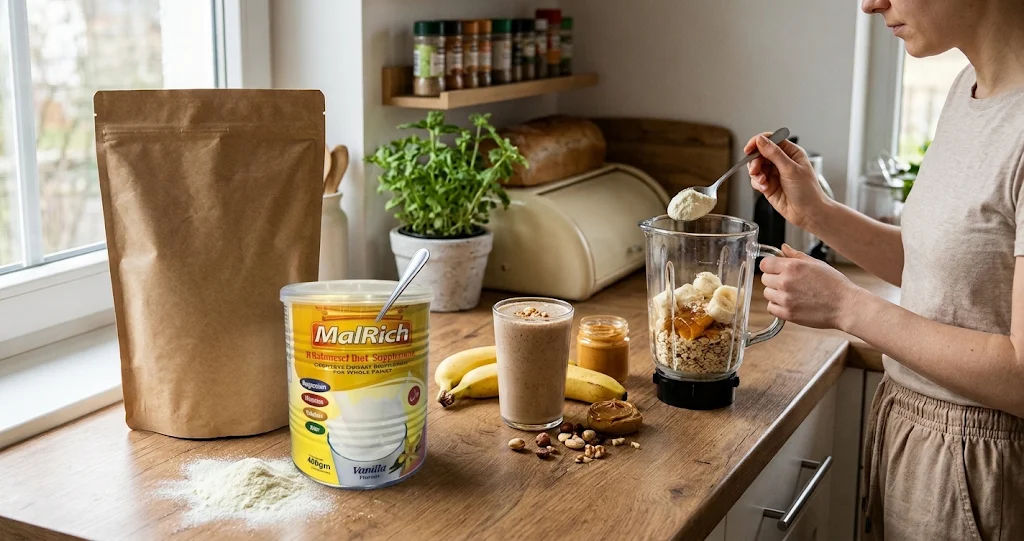
Milk powder can be particularly useful for older adults who find it difficult to consume enough food throughout the day. It can be mixed into milk, porridge, smoothies, and other everyday meals. However, choosing the right product and understanding its nutritional value are essential. When comparing products, families may also consider the malrich milk 400g price in pakistan to understand whether a particular option fits their household budget. Price should not be the only deciding factor because nutritional composition, quality, ingredients, and individual dietary needs are equally important.
Understanding how milk powder supports healthy weight gain can help older adults make better dietary decisions. It is important to remember that gaining weight should not simply mean consuming more calories. Healthy weight gain involves maintaining muscle strength, supporting bone health, improving energy levels, and providing the body with essential nutrients. This comprehensive guide explains the benefits, limitations, preparation methods, and practical considerations of using milk powder for weight gain in older adults.
Weight Gain in Older Adults
Weight management can become more challenging with age. Some older adults naturally lose weight because their appetite decreases or their daily activities change. Others may experience weight loss because of medical conditions, medication side effects, or difficulties preparing meals.
Maintaining a healthy weight is important because excessive weight loss can contribute to muscle weakness, fatigue, reduced mobility, and nutritional deficiencies.
Why Do Older Adults Experience Weight Loss?
Several factors can influence body weight as people age.
Reduced appetite: Some older adults feel hungry less frequently than younger people. This can result in smaller meals and insufficient calorie intake.
Changes in taste and smell: Food may become less appealing when taste and smell sensations change with age.
Dental problems: Missing teeth, gum discomfort, and poorly fitting dentures can make chewing difficult. As a result, older adults may avoid nutritious foods that require more chewing.
Digestive difficulties: Constipation, bloating, and other digestive concerns can reduce appetite and make eating uncomfortable.
Medical conditions: Certain illnesses can affect metabolism, appetite, and the body's ability to maintain muscle mass.
Reduced physical activity: Spending more time sitting or resting can contribute to muscle loss, especially when protein intake is insufficient.
Identifying the reason behind weight loss is important before introducing a weight-gain supplement or changing the diet.
Why Healthy Weight Gain Matters
Healthy weight gain can help older adults maintain independence and improve their quality of life.
Adequate nutrition supports muscle maintenance, bone strength, immune function, and everyday physical activities. It also helps the body recover from illness and maintain sufficient energy.
However, unexplained or rapid weight loss should always be discussed with a healthcare professional. It may indicate an underlying medical problem that requires attention.
Is Milk Powder Good for Weight Gain in Older Adults?
Milk powder can be a helpful addition to an older adult's diet when used appropriately. It provides nutrients found in milk, although the exact nutritional content depends on the product and whether it is whole milk powder, skimmed milk powder, or a specially formulated nutritional product.
Whole milk powder generally contains more fat and calories than skimmed milk powder. Both varieties can provide protein, calcium, and other important nutrients.
For older adults who struggle to eat enough food, milk powder offers a convenient way to increase the nutritional value of everyday meals.
How Milk Powder Supports Weight Gain
Weight gain generally occurs when someone consumes more calories than the body uses. Milk powder can contribute to this calorie surplus without requiring a person to eat significantly larger portions.
For example, adding an appropriate amount of milk powder to porridge can increase its nutritional value. It can also be added to smoothies, soups, and other suitable recipes.
The benefits depend on the product's ingredients and serving size.
Supporting Daily Protein Intake
Protein is particularly important during older adulthood because the body naturally becomes less efficient at maintaining muscle tissue.
Milk powder made from dairy milk contains high-quality protein. This protein provides essential amino acids that help support muscle maintenance and recovery.
Older adults who consume insufficient protein may experience muscle weakness and reduced physical function.
Adding milk powder to meals can help increase protein intake, although it should not replace other protein-rich foods such as eggs, fish, chicken, lentils, beans, and yogurt.
Providing Additional Calories
Whole milk powder contains milk fat, carbohydrates, and protein. These nutrients contribute calories that can support gradual weight gain.
For someone with a limited appetite, adding a small serving to an existing meal may be easier than eating another complete meal.
Families comparing the malrich milk 400g price in pakistan should also examine the nutritional information per serving. A product offering suitable calories and protein may be more useful than one selected purely because it costs less.
Important Nutritional Benefits for Older Adults
Milk powder can contribute several nutrients that support general health during older adulthood.
Calcium for Bone Health
Calcium is necessary for maintaining strong bones and teeth.
As people age, protecting bone health becomes increasingly important. Insufficient calcium intake can contribute to reduced bone strength and increase the risk of osteoporosis.
Many dairy milk powders contain calcium naturally. Some products may also be fortified with additional calcium and vitamin D.
However, milk powder should be considered one part of a balanced diet rather than the only source of bone-supporting nutrients.
Protein for Muscle Maintenance
Muscle loss is a common concern among older adults. This condition, known as sarcopenia, can affect strength, balance, and mobility.
Consuming sufficient protein throughout the day helps support muscle maintenance.
Milk powder can provide additional dairy protein when incorporated into meals. Combining adequate protein intake with suitable resistance exercises can provide further benefits.
Older adults should choose physical activities according to their abilities and medical recommendations.
Vitamin D and Other Nutrients
Some milk powders are fortified with vitamin D, which helps the body absorb calcium and supports normal bone and muscle function.
Depending on the formulation, milk powder may also contain vitamin A, vitamin B12, phosphorus, and other nutrients.
It is important to check the product label because not every milk powder contains the same vitamins and minerals.
Supporting Energy Levels
Older adults need sufficient energy to perform everyday activities.
When food intake becomes too low, the body may begin using stored energy and muscle tissue. This can contribute to tiredness and weakness.
Adding nutrient-rich foods to meals can help provide the energy needed for daily activities.
Milk powder can contribute calories, protein, and carbohydrates, making it a practical ingredient for people who struggle to eat large portions.
Which Type of Milk Powder Is Best for Weight Gain?
Not all milk powders are designed for the same purpose. Selecting the appropriate variety depends on nutritional requirements, health conditions, appetite, and personal preferences.
Whole Milk Powder
Whole milk powder contains milk fat, protein, and carbohydrates.
Because it generally provides more calories than skimmed milk powder, it may be useful for older adults who need additional energy.
It can be added to porridge, milkshakes, puddings, and other meals.
However, people who need to limit saturated fat or manage certain cardiovascular conditions should discuss their choices with a healthcare professional.
Skimmed Milk Powder
Skimmed milk powder contains considerably less fat than whole milk powder.
It still provides dairy protein and calcium, making it useful for increasing protein intake without adding as much fat.
Older adults who need additional protein but must monitor their calorie or fat intake may find this option appropriate.
Fortified Nutritional Milk Powder
Some nutritional powders are specifically developed for people who have increased nutritional requirements.
Depending on the formulation, they may contain additional protein, calories, vitamins, minerals, and other nutrients.
These products can be useful for individuals experiencing malnutrition or recovering from illness.
However, they are not automatically suitable for everyone. People with diabetes, kidney disease, or other dietary restrictions should obtain professional advice before using specialized nutritional products.
How Can Older Adults Add Milk Powder to Their Daily Diet?
One advantage of milk powder is that it can be incorporated into different foods. This makes it easier for older adults to increase their nutritional intake without changing their entire eating routine.
Mix It With Regular Milk
One simple approach is adding milk powder to prepared milk.
This increases the concentration of milk solids and can provide additional protein and calories.
The amount should follow the product instructions and individual dietary requirements.
Older adults should avoid adding excessive quantities because large servings may cause digestive discomfort or contribute more calories than necessary.
Add It to Porridge
Porridge is a convenient meal for older adults because it is soft, easy to prepare, and simple to customize.
Adding milk powder can increase its protein and calorie content.
A small amount of mashed banana or soft fruit can provide additional nutrients and natural sweetness.
This combination can be especially helpful for individuals who prefer soft foods.
Prepare Nutritious Smoothies
Smoothies can provide energy and nutrients in a convenient form.
Milk powder can be blended with milk, bananas, yogurt, and other suitable ingredients.
For older adults who have difficulty chewing, a smooth drink may be easier to consume than solid food.
However, people with swallowing difficulties should not consume ordinary smoothies without professional guidance. Their drinks may require a specific consistency to reduce choking or aspiration risks.
Include It in Homemade Desserts
Milk powder can be added to homemade puddings, custards, and other milk-based desserts.
These foods may help older adults who have poor appetites enjoy additional calories.
Choosing moderate portions and limiting added sugar can help maintain a balanced nutritional intake.
Mix It Into Soups and Mashed Foods
Some milk powders can be incorporated into creamy soups, mashed potatoes, and other soft dishes.
This is another useful approach for people who prefer savory meals.
The powder should be mixed properly to avoid lumps and maintain a pleasant texture.
How Much Milk Powder Should Older Adults Consume?
There is no single recommended serving of milk powder for every older adult.
The appropriate amount depends on the nutritional content of the product, daily calorie requirements, protein intake, activity level, and existing health conditions.
The serving instructions on the packaging provide a useful starting point.
A healthcare professional or registered dietitian can help determine whether additional servings are necessary.
Avoid Excessive Consumption
Consuming more milk powder does not automatically produce healthier weight gain.
Excessive intake may cause digestive discomfort, bloating, or unnecessary calorie consumption.
It can also reduce appetite for other foods if drinks become too filling.
Older adults should focus on balanced nutrition rather than relying on one product.
Combine Milk Powder With Balanced Meals
Milk powder works best as part of a varied diet.
Meals should include suitable sources of:
-
Protein, such as eggs, fish, chicken, beans, and dairy.
-
Healthy fats, such as olive oil, nuts, and seeds.
-
Carbohydrates, such as rice, potatoes, oats, and whole grains.
-
Vitamins and minerals from vegetables and fruits.
-
Calcium-rich foods, such as milk, yogurt, and suitable fortified alternatives.
This combination provides a wider range of nutrients than depending on milk powder alone.
Is Milk Powder Safe for All Older Adults?
Although milk powder can be beneficial, it is not appropriate for every individual.
Certain medical conditions and dietary restrictions require additional care.
Lactose Intolerance
Some older adults have difficulty digesting lactose, the natural sugar found in milk.
This may cause bloating, gas, abdominal discomfort, or diarrhea.
Regular milk powder generally contains lactose. People with lactose intolerance may need lactose-free alternatives or other suitable nutritional products.
Diabetes
Milk powder contains carbohydrates, including naturally occurring lactose.
Some flavored or specially formulated products may also contain added sugar.
Older adults with diabetes should check carbohydrate information and serving sizes carefully.
A healthcare professional can help determine how milk powder fits into an individual meal plan.
Kidney Disease
People with chronic kidney disease may need to manage their intake of protein, phosphorus, potassium, sodium, or other nutrients.
Milk products can contain phosphorus and potassium, so adding milk powder without professional guidance may not be appropriate.
A renal dietitian can recommend suitable alternatives and serving sizes.
High Cholesterol and Heart Health
Whole milk powder contains saturated fat.
Older adults who need to manage cholesterol levels or follow a heart-healthy eating plan may benefit from considering lower-fat alternatives.
The appropriate choice depends on individual health requirements.
Milk Allergy
Milk allergy is different from lactose intolerance.
People with a genuine milk protein allergy should avoid ordinary dairy milk powder because it contains milk proteins.
A suitable non-dairy alternative may be necessary.
Practical Tips for Choosing Quality Milk Powder
Selecting a suitable product requires more than comparing packaging sizes and prices.
Families should evaluate the nutritional value and quality of the milk powder before purchasing it.
Read the Nutrition Label
Always check the following information:
-
Calories per serving.
-
Protein content.
-
Total carbohydrates.
-
Total fat and saturated fat.
-
Calcium content.
-
Added sugars.
-
Vitamins and minerals.
These details help determine whether the product supports the individual's nutritional goals.
Check Ingredients and Product Quality
Choose products with clear ingredient information and reliable manufacturing details.
Check the expiry date, packaging condition, storage instructions, and manufacturer's information.
Avoid purchasing products with damaged packaging or unclear labels.
Compare Package Sizes and Prices
Affordability is important when milk powder becomes part of a regular diet.
For example, families researching the malrich milk 400g price in pakistan should compare the package size, cost per serving, nutritional composition, and product quality.
A 400-gram package may be convenient for household use, but the actual value depends on how much is needed per serving.
The malrich milk 400g price in pakistan may also vary between shops and retailers. Therefore, consumers should confirm the current price before making a purchase.
Rather than choosing a product based entirely on affordability, compare its nutritional benefits with the needs of the older adult.
Consider Personal Preferences
Taste, texture, and ease of preparation can influence whether an older adult regularly consumes milk powder.
A nutritious product will be less useful if someone dislikes its taste or experiences discomfort after drinking it.
Choose a suitable flavor and preparation method that fits the individual's routine.
Can Milk Powder Help Older Adults Build Muscle?
Milk powder may support muscle maintenance when it contributes enough protein to the overall diet.
However, gaining body weight and building muscle are not exactly the same.
An older adult may gain weight primarily through increased body fat if calorie intake rises without adequate protein and physical activity.
Combine Protein With Appropriate Exercise
Strength-based physical activity can help older adults maintain muscle strength.
Depending on individual abilities, suitable activities may include:
-
Chair-based exercises.
-
Light resistance-band training.
-
Gentle strength exercises.
-
Walking and balance activities.
-
Supervised resistance training.
People with mobility problems, heart conditions, or significant health concerns should consult their healthcare professional before starting an exercise program.
Distribute Protein Throughout the Day
Consuming protein at different meals can help support muscle maintenance.
Instead of depending entirely on one large milk-based drink, older adults can include protein in breakfast, lunch, dinner, and suitable snacks.
Eggs, yogurt, fish, chicken, lentils, and milk products can all contribute to daily protein intake.
Milk powder is simply one convenient addition to this broader approach.
Common Mistakes to Avoid When Using Milk Powder
Some mistakes can reduce the benefits of adding milk powder to an older adult's diet.
Depending Only on Milk Powder
Milk powder cannot provide every nutrient required for good health.
A varied diet remains essential for obtaining fiber, healthy fats, vitamins, minerals, and other important nutrients.
Ignoring Unexplained Weight Loss
Unintentional weight loss should not automatically be treated with calorie-rich drinks.
It may be associated with digestive disorders, infections, medication effects, depression, or other medical conditions.
A healthcare professional should investigate persistent or unexplained weight loss.
Adding Too Much Sugar
Some people add sugar, syrups, or sweetened ingredients to milk-based drinks to increase calories.
However, excessive added sugar can be problematic, particularly for older adults with diabetes or other metabolic concerns.
Bananas, unsweetened yogurt, and other suitable ingredients can improve taste and nutritional value.
Incorrect Storage
Milk powder should be stored in a cool, dry place according to the manufacturer's instructions.
Keep the packaging tightly closed after use and always use a clean, dry spoon.
Moisture can cause clumping and affect product quality.
Once prepared, milk should be handled safely and refrigerated when appropriate. Follow the product's instructions regarding preparation and storage.
When Should Older Adults Consult a Healthcare Professional?
Although milk powder is widely available, older adults with nutritional concerns may benefit from professional assessment.
A doctor or registered dietitian can evaluate weight changes, appetite, medical history, medication use, and dietary requirements.
Professional guidance is especially important when someone experiences:
-
Unexplained or rapid weight loss.
-
Persistent loss of appetite.
-
Difficulty swallowing.
-
Repeated digestive discomfort.
-
Significant muscle weakness.
-
Difficulty eating enough food.
-
A diagnosed kidney, heart, or metabolic condition.
A healthcare professional may recommend dietary changes, nutritional supplements, or further medical investigations.
This approach helps ensure that weight gain supports overall health rather than creating additional problems.
Conclusion
Milk powder can be a practical and nutritious addition to the diet of older adults who need help maintaining or gradually increasing their body weight. It provides convenient access to calories, protein, calcium, and other nutrients, depending on its formulation. When added to everyday foods such as porridge, smoothies, soups, and homemade desserts, it can help improve the nutritional value of meals without requiring older adults to consume significantly larger portions.
However, healthy weight gain requires more than increasing calorie intake. Older adults also need adequate protein, balanced meals, appropriate physical activity, and sufficient vitamins and minerals. Whole milk powder may be useful for individuals who need additional calories, while skimmed milk powder may suit those who want extra protein with less fat. Fortified nutritional powders can provide additional support when recommended by a healthcare professional.
Families should also consider individual health conditions before introducing milk powder. Lactose intolerance, milk allergy, diabetes, kidney disease, and cardiovascular concerns may influence which product is appropriate. Checking nutrition labels, following serving instructions, and storing products correctly are important steps for safe consumption.
When comparing the malrich milk 400g price in pakistan, consumers should look beyond the package cost and evaluate the nutritional value, serving size, ingredients, and overall quality. An affordable product can be a useful dietary addition when it meets the older adult's nutritional needs.
Ultimately, milk powder can support healthy weight management, but it should not be treated as a complete solution for age-related weight loss. A balanced diet, regular medical assessments, and personalized nutritional advice provide a stronger foundation for maintaining muscle strength, energy, mobility, and independence throughout older adulthood.