

Pakistani truck art is one of the most recognizable forms of traditional vehicle decoration in South Asia. It is famous for its bright colors, detailed paintings, beautiful patterns, poetry, and cultural symbols. Behind every decorated truck is an artisan who has developed artistic skills through practice, observation, creativity, and years of experience. These artists transform ordinary vehicles into moving displays of cultural identity. 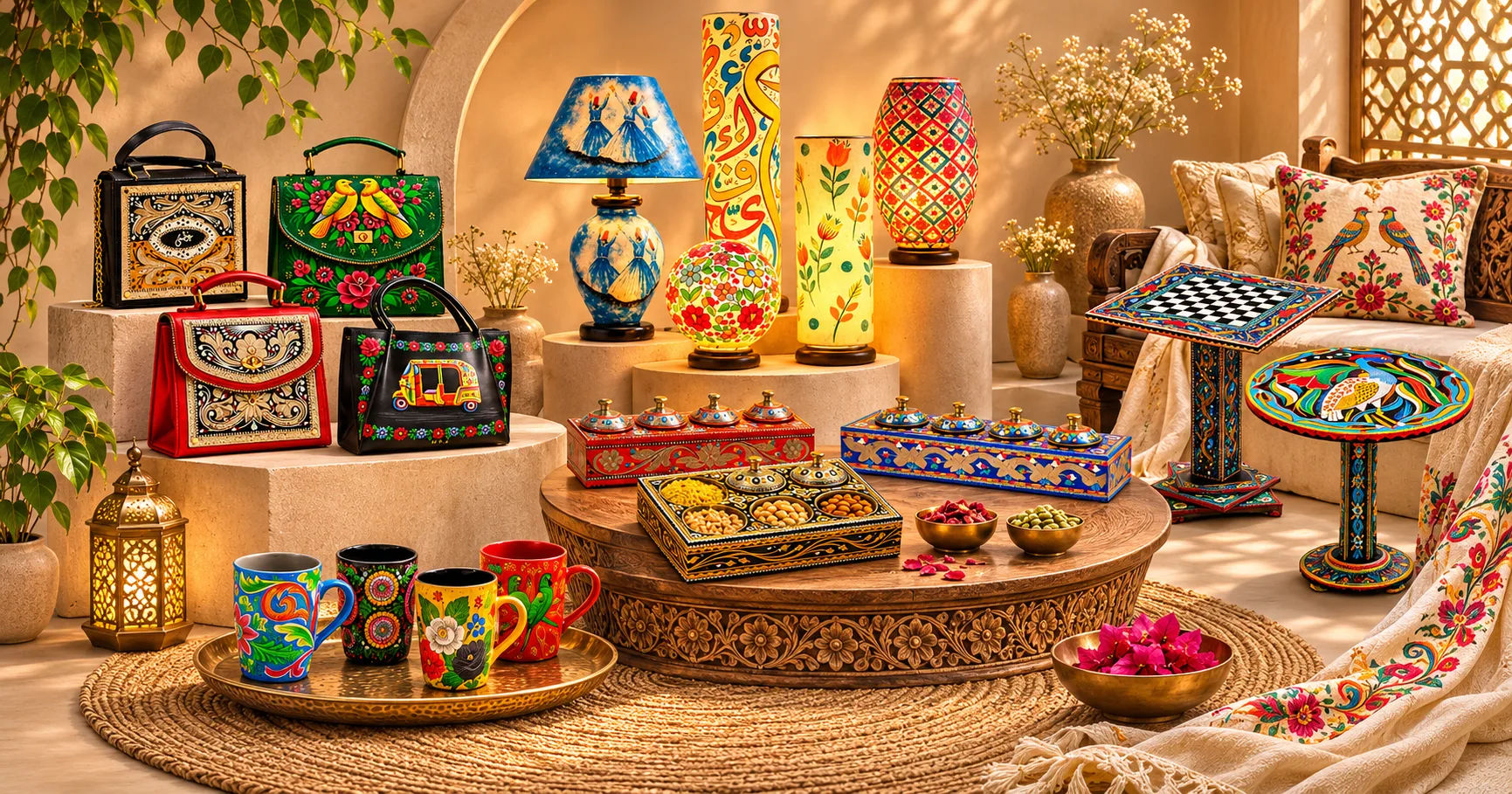 Learning this traditional craft is not usually limited to formal classroom education. Many artisans begin their journey by watching experienced painters, helping in workshops, and practicing simple designs. Over time, they learn how to create complicated flowers, landscapes, portraits, calligraphy, and decorative patterns.
Pakistani truck art is more than a painting technique. It combines traditional knowledge, personal creativity, regional influences, and practical craftsmanship. Every artisan develops a unique style while learning techniques passed down by experienced artists.
Understanding how artisans learn this craft helps us appreciate the dedication, patience, and knowledge behind every decorated vehicle. It also explains how this traditional art continues to survive and develop in modern Pakistan.
1. Learning Through Family Traditions
One of the most common ways artisans learn traditional truck decoration is through family connections. In many communities, artistic skills are passed from older generations to younger family members.
Children growing up in families of painters often become familiar with artistic work at an early age. They watch their parents, relatives, or older siblings prepare designs, mix colors, and decorate vehicles.
This early exposure creates an understanding of the craft before formal training even begins.
Learning From Parents and Relatives
Family members often introduce beginners to simple artistic activities. These may include preparing brushes, organizing painting materials, cleaning surfaces, and practicing basic lines.
As beginners become more confident, they may receive opportunities to paint small decorative elements.
Older artisans usually teach through demonstrations rather than written instructions. They explain how to hold a brush, control paint, and maintain consistent patterns.
This method allows traditional techniques to move naturally from one generation to another.
Preserving Traditional Techniques
Family-based learning also helps preserve regional artistic styles. Different families may have their own preferred patterns, color combinations, and decorative methods.
Some specialize in floral paintings, while others are particularly skilled in lettering, geometric designs, or detailed illustrations.
Young artists learn these traditions while gradually developing their own creative identities.
2. Apprenticeships in Truck Art Workshops
Another important learning method is apprenticeship. Many aspiring artisans develop their skills by working under experienced painters in truck decoration workshops.
These workshops provide practical environments where beginners can observe real projects and understand how professional artists complete their work.
Unlike classroom lessons, apprenticeships involve direct participation in everyday artistic activities.
Starting With Basic Tasks
Beginners generally do not start by painting complicated designs. They first learn simple responsibilities that help them understand workshop operations.
These activities may include:
-
Preparing painting surfaces.
-
Cleaning and organizing brushes.
-
Mixing different paint colors.
-
Practicing straight and curved lines.
-
Drawing simple flowers and patterns.
-
Preparing basic outlines.
-
Observing experienced painters.
Although these tasks may appear simple, they develop important skills.
For example, preparing a surface properly helps beginners understand why smooth and clean surfaces are necessary for good painting results.
Learning Through Observation
Observation is a major part of apprenticeship training.
Beginners watch experienced artisans create decorative elements and study how they use brushes, select colors, and arrange different patterns.
They also observe how artists divide a large vehicle into smaller sections before beginning their work.
By watching these processes repeatedly, apprentices gradually understand the techniques required for professional decoration.
Receiving Practical Feedback
Experienced painters often correct beginners when they make mistakes.
They may explain how to improve line control, maintain balanced patterns, or choose suitable colors.
This direct feedback helps learners improve more quickly than practicing without guidance.
3. Developing Basic Drawing Skills
Drawing is an essential foundation for anyone interested in learning traditional truck decoration.
Before creating detailed vehicle paintings, artisans need to understand shapes, proportions, outlines, and composition.
These basic skills make it easier to develop attractive and balanced designs.
Practicing Lines and Shapes
Beginners usually start with simple drawing exercises.
They practice circles, curves, straight lines, leaves, flowers, and geometric shapes.
These elements appear frequently in traditional vehicle decoration, making them useful exercises for new learners.
Consistent practice improves hand control and helps artists develop confidence.
Understanding Design Proportions
Large vehicle surfaces require careful planning.
A design that looks attractive on a small paper sheet may appear different when transferred onto a truck.
Artisans therefore learn how to adjust the size of patterns according to available space.
They also study balance, symmetry, and spacing to prevent designs from looking crowded.
Learning to Create Original Patterns
After mastering basic shapes, learners begin combining different elements.
For example, they may create floral borders, decorative circles, or repeating geometric patterns.
Eventually, they learn to develop original designs instead of copying every existing example.
This creative ability helps artisans establish their individual artistic styles.
4. Understanding Colors and Painting Techniques
Color selection is one of the most important parts of traditional truck decoration.
The bright appearance of decorated vehicles comes from the thoughtful use of contrasting shades, carefully arranged patterns, and detailed painting techniques.
Artisans must understand how colors work together before they can create professional designs.
Learning Color Combinations
Beginners study different colors and how they interact with each other.
They learn that contrasting shades can make important decorative elements more noticeable.
They also practice combining bright and softer colors to create visual balance.
Commonly used colors include red, yellow, blue, green, orange, and white.
Each artist gradually develops preferences based on personal creativity and regional traditions.
Practicing Brush Control
Brush control is another important skill.
Artisans learn how to create thin outlines, thick borders, small details, and smooth curves.
Different brushes are used for different purposes.
A fine brush helps create delicate details, while broader brushes are useful for covering larger areas.
With repeated practice, beginners develop better control over paint application.
Understanding Different Materials
Professional artisans also learn about the materials used in decoration.
These may include paints, brushes, primers, protective coatings, and other decorative supplies.
They need to understand how materials behave on different surfaces.
Practical experience teaches them how to prepare surfaces and achieve durable painting results.
5. Learning Traditional Motifs and Cultural Symbols
Traditional truck decoration includes many images and patterns that represent Pakistani culture, history, and everyday life.
Artisans learn these visual traditions through observation, cultural exposure, and practical training.
Understanding the meaning of different motifs helps artists create decorations that communicate more than visual beauty.
Flowers and Natural Designs
Flowers are among the most recognizable decorative elements.
Artists practice painting roses, leaves, vines, and other natural patterns.
These designs add movement, color, and beauty to vehicle surfaces.
Beginners usually start with simple floral shapes before progressing to detailed arrangements.
Birds and Animals
Birds and animals are also important subjects.
Peacocks, eagles, horses, and other creatures appear in different decorative traditions.
Artisans learn how to represent these subjects through drawing exercises and repeated observation.
They study body shapes, proportions, and decorative details to make their illustrations recognizable.
Landscapes and Cultural Imagery
Some artisans paint mountains, rivers, historical buildings, and famous landscapes.
These images may reflect regional identity, personal memories, or admiration for Pakistan's natural beauty.
Learning to paint landscapes requires an understanding of perspective, shading, and composition.
Poetry and Calligraphy
Words and poetry are another important part of the tradition.
Artisans learn how to arrange letters attractively and create decorative lettering.
Some specialize in Urdu calligraphy, poetic expressions, and meaningful messages.
This combination of visual art and written expression gives decorated vehicles a distinctive cultural character.
6. Learning From Regional Artistic Traditions
Different regions of Pakistan have developed their own decorative traditions.
Artisans often learn by studying the work of painters from other cities and communities.
This exposure allows them to understand different artistic approaches and expand their creative abilities.
Karachi and Sindh
Karachi has a strong connection with vehicle decoration and commercial transport.
Artisans working in this environment may encounter a wide range of decorative styles influenced by different cultural communities.
They learn through workshop experience, collaboration, and exposure to decorated vehicles.
Sindh also has a rich tradition of colorful patterns and decorative craftsmanship.
Peshawar and Khyber Pakhtunkhwa
Peshawar is widely associated with traditional truck decoration.
Artists working in this region contribute to the development and preservation of distinctive decorative styles.
Their work may include detailed floral patterns, landscapes, portraits, and carefully arranged borders.
Young painters can learn by observing established workshops and studying older decorated vehicles.
Other Regional Influences
Punjab, Balochistan, and other parts of Pakistan also contribute to the country's decorative traditions.
Regional differences may appear in color choices, patterns, lettering, and artistic subjects.
By studying these differences, artisans gain a wider understanding of the cultural diversity represented in vehicle decoration.
7. Practicing on Small Surfaces Before Decorating Trucks
Decorating a complete truck requires considerable artistic experience.
For this reason, beginners often practice on smaller surfaces before working on large vehicles.
This approach allows them to develop confidence without immediately taking responsibility for an entire professional project.
Drawing on Paper and Boards
Paper is useful for learning basic designs.
Beginners can create different patterns, experiment with colors, and correct mistakes easily.
Wooden boards and other practice surfaces provide opportunities to understand how paint behaves on solid materials.
These exercises prepare learners for more demanding projects.
Practicing Decorative Panels
Small decorative panels help learners understand how different designs fit together.
They can practice floral borders, geometric arrangements, and lettering.
Working on individual sections also teaches them how to maintain consistent patterns.
Moving Toward Larger Projects
As their abilities improve, apprentices may receive opportunities to work on smaller sections of actual vehicles.
They gradually take on more responsibility under the supervision of experienced artisans.
This step-by-step approach helps beginners develop the confidence needed for professional work.
8. Learning Through Collaboration With Other Artisans
Collaboration plays an important role in developing artistic knowledge.
A decorated truck may involve several specialists rather than one individual completing every part of the project.
Painters, lettering artists, metalworkers, woodworkers, and decorative craftsmen may contribute different skills.
Working with these professionals helps beginners understand how various artistic elements come together.
Sharing Different Skills
One artisan may specialize in floral patterns, while another focuses on portraits or calligraphy.
Beginners can observe these different approaches and learn techniques from several experienced people.
This exchange of knowledge encourages creativity and improves overall craftsmanship.
Working as a Team
Large decoration projects often require cooperation.
Artists must coordinate their designs so that different sections create a consistent overall appearance.
Learning teamwork also teaches beginners how to communicate with clients and other workshop members.
Improving Through Experience
Every project provides new learning opportunities.
Artisans encounter different surfaces, design requests, and creative challenges.
These experiences help them become more adaptable and confident.
9. Learning From Modern Technology and Online Resources
Although traditional workshop training remains important, modern technology has created additional learning opportunities.
Today, aspiring artists can study decorative techniques through online videos, photographs, and digital tutorials.
These resources make artistic knowledge easier to access.
Watching Online Demonstrations
Video demonstrations allow beginners to observe painting techniques closely.
They can study how artists create floral designs, lettering, decorative borders, and detailed illustrations.
Learners can pause videos, review difficult sections, and practice techniques at their own pace.
Studying Photographs of Decorated Vehicles
Photographs provide useful references for understanding traditional designs.
Beginners can examine color combinations, decorative arrangements, and regional differences.
Studying different examples also encourages them to develop original ideas.
Combining Technology With Traditional Training
Online learning is useful, but it cannot completely replace practical experience.
Artists still need to practice with real materials and receive feedback from experienced painters.
The strongest learning approach combines digital resources with hands-on workshop training.
10. The Importance of Patience and Consistent Practice
Learning traditional vehicle decoration takes time.
Artisans cannot develop professional skills simply by watching demonstrations or completing a few practice exercises.
They need patience, discipline, and a willingness to learn from mistakes.
Repeating Basic Techniques
Repetition helps artists improve their control and consistency.
Practicing the same flower, border, or lettering style several times allows beginners to notice their weaknesses.
Gradually, their movements become more controlled and accurate.
Learning From Mistakes
Mistakes are a natural part of artistic development.
A beginner may struggle with uneven lines, incorrect proportions, or unbalanced color combinations.
Experienced artists encourage learners to understand these mistakes and improve their techniques.
Building an Individual Style
After learning traditional methods, artisans begin experimenting with their own ideas.
Some combine classic floral patterns with modern illustrations.
Others introduce new color combinations or develop unique lettering styles.
This balance between tradition and creativity keeps the craft interesting.
11. Challenges Faced by New Truck Artisans
Although learning this craft can be rewarding, beginners may face several challenges.
Understanding these difficulties helps explain why professional artisans require considerable training and experience.
Limited Formal Training Opportunities
Not every aspiring artist has access to a dedicated training institution.
Many must depend on local workshops or family connections to learn traditional techniques.
This can make professional guidance difficult to find in some communities.
Competition and Professional Expectations
Experienced artisans often have established reputations and regular clients.
Beginners need time to demonstrate their abilities and build professional relationships.
They must also learn to complete work according to customer expectations.
Financial and Material Limitations
Painting materials, brushes, and practice surfaces can create expenses for new learners.
Some beginners may struggle to afford enough materials for regular practice.
Access to affordable supplies and supportive workshops can make learning easier.
Preserving Traditional Knowledge
Modern decorative trends and changing customer preferences can influence traditional styles.
Young artisans may prefer newer designs, while older painters may focus on established techniques.
Finding a balance between innovation and cultural preservation is an important challenge.
12. How Young Artists Can Start Learning Pakistani Truck Art
Young people interested in becoming pakistani truck art can begin with simple and practical steps.
They do not need to master every technique immediately.
Developing basic drawing skills and gaining exposure to traditional workshops can provide a strong foundation.
Start With Basic Art Education
Learn drawing, color theory, composition, and lettering.
These skills are useful for almost every type of decorative painting.
Regular practice is more important than trying to create complicated designs immediately.
Visit Local Workshops
Observing professional painters provides valuable insight into the actual working environment.
Beginners can learn about materials, techniques, customer requirements, and the different stages of decoration.
They may also discover opportunities to receive practical training.
Find an Experienced Mentor
A skilled artisan can provide guidance that is difficult to obtain through independent practice.
A mentor can demonstrate techniques, correct mistakes, and explain traditional design principles.
Learning under an experienced professional can make the process more organized.
Build a Collection of Practice Designs
Keeping drawings and completed practice projects helps learners track their improvement.
They can create a portfolio containing floral patterns, geometric designs, calligraphy, and other decorative elements.
This collection may also help them demonstrate their abilities when seeking apprenticeship opportunities.
13. How Artisans Keep Pakistani Truck Art Alive
The survival of traditional vehicle decoration depends heavily on the knowledge and dedication of skilled artisans.
Every generation contributes to the development of this cultural tradition.
Experienced painters pass their techniques to apprentices, while younger artists introduce new ideas.
This continuous exchange helps the craft remain relevant.
Teaching the Next Generation
Artisans who train beginners help preserve traditional methods.
They share knowledge about cultural symbols, painting techniques, and regional styles.
Without this transfer of knowledge, many traditional methods could gradually disappear.
Supporting Traditional Workshops
Local workshops provide employment and learning opportunities for aspiring artists.
They also help maintain connections between painters, vehicle owners, and other craftsmen.
Supporting these businesses encourages the continuation of traditional skills.
Introducing New Creative Opportunities
Traditional vehicle decoration has also influenced paintings, clothing, home decorations, accessories, and other creative products.
Artisans can use their knowledge in different artistic fields.
These opportunities allow traditional techniques to reach new audiences beyond transportation.
Conclusion
Learning traditional vehicle decoration is a journey that requires creativity, patience, observation, and practical experience. Most artisans develop their abilities through a combination of family traditions, apprenticeships, workshop training, and independent practice. They begin with basic drawing exercises and gradually learn more advanced techniques involving colors, patterns, calligraphy, and cultural illustrations.
Pakistani truck art survives because experienced artists continue sharing their knowledge with younger generations. Apprentices learn by watching professionals, practicing simple designs, receiving feedback, and gradually participating in larger projects. Modern technology has also made learning easier by providing access to photographs, videos, and artistic demonstrations.
However, practical experience remains one of the most valuable parts of becoming a skilled artisan. Working with real materials, understanding traditional symbols, and learning from experienced painters help beginners develop professional abilities.
The future of this cultural tradition depends on encouraging young artists to explore its techniques while respecting its history. By combining traditional knowledge with modern creativity, new generations can introduce fresh ideas without losing the distinctive character of this craft.
Ultimately, every decorated vehicle represents the hard work, imagination, and cultural knowledge of the people behind it. Artisans do not simply learn how to paint trucks; they learn how to preserve and communicate a meaningful part of Pakistan's artistic heritage.