

Healthy, shiny, and manageable hair requires regular care, especially when exposed to heat from styling tools, sunlight, and environmental conditions. Many people use hair dryers, straighteners, curling irons, and other styling devices to achieve their preferred hairstyles. However, frequent exposure to high temperatures can weaken hair, cause dryness, and make the strands more likely to break. Choosing the right hair care routine can help reduce these problems and maintain healthier-looking hair.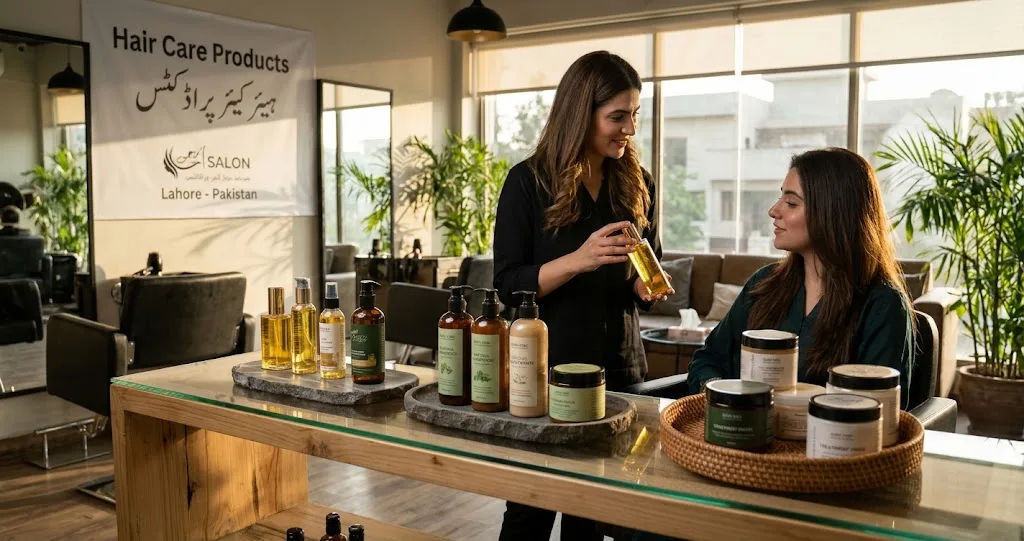
In Pakistan, hot weather, strong sunlight, dust, and humidity can create additional challenges for maintaining healthy hair. These conditions make it important to choose products that match your hair type and daily routine. Many consumers explore hair care products pakistan to find suitable shampoos, conditioners, serums, leave-in treatments, and heat-protection sprays. Although these products can help protect and condition hair, their effectiveness depends on their ingredients, application methods, and the type of heat exposure involved.
Understanding how heat protection works can help you make better decisions about your hair care routine. Not every product offers the same benefits, and ordinary shampoo or conditioner cannot replace a dedicated heat protectant. This comprehensive guide explains how hair care products can reduce heat damage, which ingredients to look for, how to apply protective products correctly, and how to maintain healthy hair throughout the year.
How Heat Affects Your Hair
Before choosing protective products, it is important to understand what happens when hair comes into contact with high temperatures.
Each strand of hair has an outer layer called the cuticle. This layer consists of overlapping cells that help protect the inner structure of the strand. When the cuticle is smooth and intact, hair generally looks shinier and feels softer.
Excessive heat can damage this protective layer. As the cuticle becomes rough or weakened, hair may lose moisture more easily and become difficult to manage.
Common Signs of Heat Damage
Heat damage can develop gradually, especially when styling tools are used frequently.
Some common signs include:
-
Dryness and rough texture.
-
Split ends and increased breakage.
-
Frizz and loss of smoothness.
-
Reduced shine and softness.
-
Hair that tangles more easily.
-
Difficulty maintaining natural curls or waves.
Hair may also feel unusually stiff after repeated exposure to high temperatures. Damaged hair can become more vulnerable to further breakage during brushing and styling.
How Straighteners and Curling Irons Cause Damage
Straighteners and curling irons use heated surfaces to change the shape of hair temporarily. Although these tools can create smooth or defined hairstyles, their high temperatures can damage the hair shaft.
Using them repeatedly without protection increases the risk of dryness and breakage. Applying excessive pressure or passing a straightener over the same section several times can make the problem worse.
Heat protectants can reduce some of these effects, but they cannot make hair completely resistant to high temperatures.
Can Sunlight Damage Hair?
Yes. Sunlight exposes hair to ultraviolet radiation, which can affect its proteins, color, and overall condition. Long periods outdoors may leave hair feeling dry or looking faded, particularly in people with color-treated hair.
Sun exposure is different from direct contact with a straightener. A conventional heat protectant should not automatically be considered a UV protectant.
If you spend considerable time outdoors, consider wearing a hat or using a hair product specifically formulated to provide UV protection.
How Hair Care Products Help Protect Against Heat
Different products serve different purposes. Some create a protective film around the hair shaft, while others improve moisture retention, reduce friction, or help manage frizz.
Understanding these differences helps you build a routine that provides useful protection without relying on a single product.
Heat Protection Sprays
Heat protection sprays are designed specifically for use before blow-drying, straightening, or curling hair.
Depending on the formulation, they may contain silicones, conditioning agents, polymers, or other ingredients that help distribute heat more evenly and reduce friction or moisture loss.
A good heat protectant may also improve smoothness and make styling easier.
However, protection levels vary between products. Follow the manufacturer's instructions and check whether the product is suitable for your particular styling tool and temperature range.
Hair Serums
Hair serums can help smooth the surface of the hair, reduce frizz, and improve shine.
Many serums contain silicones or lightweight oils that coat the strands and make them easier to comb. This can reduce friction during styling and help hair look healthier.
However, not every serum is designed to protect against heat. A product marketed for shine or frizz control should not automatically be treated as a heat protectant.
If you regularly use hot styling tools, choose a serum that explicitly states that it offers thermal protection, or use a separate heat-protection product.
Leave-In Conditioners
Leave-in conditioners are applied after washing and remain in the hair until the next wash.
They help improve softness, reduce tangling, and make the strands easier to manage. Some formulations also contain ingredients that support heat protection.
Leave-in conditioners are particularly useful for dry, curly, textured, or chemically treated hair.
Nevertheless, ordinary leave-in conditioner is not necessarily a substitute for a dedicated heat protectant. Check the product label before relying on it for thermal protection.
Shampoos and Rinse-Out Conditioners
Shampoos remove oil, sweat, dirt, and product buildup from the scalp and hair. Conditioners help smooth the hair surface, improve manageability, and reduce friction.
These products are essential parts of a healthy routine, but they generally do not provide the same immediate protection as a heat protectant applied before styling.
A moisturizing shampoo and conditioner can support hair health, making strands easier to manage. Still, you should use a suitable thermal protection product whenever you regularly apply heat.
Choosing Hair Care Products in Pakistan for Heat Protection
The climate, availability of products, and individual hair needs all influence which products are most suitable.
When comparing hair care products pakistan, focus on the product's purpose, ingredients, and suitability for your hair rather than choosing something simply because it is popular.
Consider Your Hair Type
Different hair types respond differently to heat and styling products.
Fine hair: Lightweight sprays and lotions are often suitable because heavy creams and oils may make fine strands look greasy or flat.
Thick hair: Cream-based heat protectants may help distribute conditioning ingredients across dense strands, provided the product is suitable for the intended styling method.
Curly hair: Leave-in conditioners and heat protectants designed for textured hair can help improve manageability and reduce friction during blow-drying.
Dry hair: Look for conditioning ingredients that improve softness and reduce tangling. A dedicated heat protectant is still necessary when using hot tools.
Color-treated hair: Choose gentle cleansing products and conditioners designed for colored hair. Lower styling temperatures and reduced heat exposure can help preserve both hair condition and color.
Oily scalp: Select lightweight products and concentrate leave-in treatments on the mid-lengths and ends rather than applying large amounts directly to the scalp.
Your hair's condition matters as much as its natural texture. Bleached, relaxed, or chemically treated hair may need extra care because it can be more vulnerable to breakage.
Check the Product Ingredients
Reading ingredient labels can help you understand what a product is designed to do.
Some commonly used ingredients include:
-
Silicones: Ingredients such as dimethicone can smooth the hair surface and reduce friction.
-
Conditioning agents: These help improve softness, detangling, and manageability.
-
Humectants: Ingredients such as glycerin attract and retain moisture under suitable conditions, although their effects depend on the formulation and surrounding humidity.
-
Hydrolyzed proteins: These may temporarily improve the feel and appearance of damaged hair.
-
Oils and emollients: Certain oils can reduce friction and improve softness, but an ordinary oil is not automatically a heat protectant.
-
Film-forming polymers: These may help form a coating that supports the product's intended protective effects.
No single ingredient guarantees complete protection. The overall formulation, amount applied, and instructions for use are important.
Buy Products from Reliable Sellers
When shopping for hair care products in Pakistan, purchase from reputable retailers, pharmacies, established beauty stores, or authorized brand distributors when possible.
Check the packaging for ingredient information, usage instructions, batch details, and expiry information where applicable.
Be cautious of unusually cheap products that make dramatic claims without providing clear information about their ingredients or intended use.
A higher price does not automatically mean a product offers better protection. A suitable product that you can apply correctly and consistently is often a more practical choice than an expensive product that does not match your hair type.
How to Use Heat Protectants Correctly
Even a well-formulated product may not perform as intended if it is applied incorrectly.
Following a consistent process can help reduce unnecessary damage.
Step 1: Wash and Condition Your Hair
Start with a shampoo that suits your scalp and hair type.
Follow with conditioner, concentrating on the lengths and ends if your roots become oily quickly.
Rinse thoroughly unless the product is designed to remain in the hair.
Step 2: Remove Excess Water Gently
Use a soft towel or microfiber towel to absorb excess moisture.
Avoid rubbing your hair aggressively because wet hair can be more vulnerable to stretching and breakage.
If you plan to blow-dry, use a heat protectant suitable for damp hair and follow its instructions.
Step 3: Apply the Heat Protectant Evenly
Divide your hair into manageable sections if it is thick or long.
Apply the recommended amount, distributing it across the areas that will be exposed to heat. Avoid applying excessive product, which can leave the hair sticky or weighed down.
If the instructions specify application to damp hair, do not wait until the hair is completely dry before applying it.
Step 4: Let the Product Dry When Required
This step is especially important before using a flat iron or curling iron.
Hair should be completely dry before using most direct-contact hot tools unless the manufacturer specifically states otherwise.
Using a straightener on wet or damp hair can cause severe damage. Some products also need time to dry or settle before styling.
Never assume that applying more product makes wet hair safe to straighten.
Step 5: Select a Suitable Temperature
Use the lowest temperature that effectively styles your hair.
Fine, fragile, bleached, or damaged hair often requires lower temperatures than thick, resistant hair.
Avoid repeatedly passing the tool over the same section. Slow, controlled styling with appropriate heat settings is generally preferable to repeated exposure.
Step 6: Finish with a Suitable Conditioning Product
After styling, you may apply a small amount of a suitable serum or finishing product to improve smoothness and reduce frizz.
Use only products appropriate for dry hair and follow the label instructions.
Remember that finishing products improve appearance and manageability; they do not reverse existing structural damage.
Does Heat Protection Matter in Pakistan's Climate?
Yes, although the type of protection you need depends on your daily environment and styling habits.
Pakistan experiences different weather conditions across its regions. Some areas have intense summer heat, while others experience considerable humidity, dry air, or colder winter conditions.
These environmental differences can affect how hair feels and behaves.
Protecting Hair During Hot Weather
High outdoor temperatures do not necessarily mean that your hair is exposed to the same temperatures produced by a straightener.
Nevertheless, prolonged sunlight, sweat, dust, and frequent washing can affect your hair care routine.
To maintain healthier hair during hot weather:
-
Wear a hat when spending long periods in strong sunlight.
-
Use a UV-protection hair product when appropriate.
-
Wash your scalp as needed to remove sweat and buildup.
-
Condition the lengths to reduce dryness and tangling.
-
Limit unnecessary blow-drying and straightening.
-
Avoid pulling damp hair tightly into hairstyles.
These steps support general hair health, even when you are not using styling tools.
Managing Humidity and Frizz
Humidity can make hair swell as it absorbs moisture from the surrounding air. This may disrupt the shape of the hair, especially in curly or naturally wavy textures.
Anti-frizz serums and suitable leave-in products can help smooth the hair surface and improve manageability.
However, using more heat to fight frizz can create a cycle of repeated styling and increasing damage.
A better approach is to combine gentle conditioning, appropriate styling products, and lower heat settings.
Caring for Hair in Dry Weather
Dry air and indoor air conditioning may leave some hair types feeling rough or dehydrated.
Use a conditioner suited to your hair, avoid excessive cleansing, and apply a leave-in treatment if needed.
If you frequently use heated styling tools, keep heat protection as a separate step in your routine rather than expecting moisturizing products to provide complete thermal protection.
Common Mistakes to Avoid When Protecting Hair from Heat
Many people use hair products regularly but still experience dryness and breakage because of avoidable habits.
Using Ordinary Oil Instead of a Heat Protectant
Coconut, argan, and other oils can help condition hair or reduce friction, depending on how they are used.
However, ordinary oil is not necessarily formulated or tested to protect hair during high-temperature styling.
Some oils can become very hot on the hair or affect styling results when used improperly. Avoid assuming that applying oil alone makes straightening safe.
Choose a product specifically designed for thermal protection and follow its instructions.
Applying Too Much Product
Using excessive amounts of spray, cream, or serum does not guarantee stronger protection.
Too much product can cause buildup, weigh down the hair, and make strands look greasy.
Follow the recommended amount and distribute the product evenly.
Styling Hair at the Highest Temperature
High temperatures may seem to produce faster results, but they can also increase the risk of damage.
Start with a lower setting and increase it only if necessary and permitted by the tool and product instructions.
There is no universal temperature that is safe for every hair type.
Straightening Damp Hair
Using a conventional flat iron on damp hair can cause serious damage because the water inside the hair can heat rapidly.
Dry your hair completely before using a straightener or curling iron unless the device is specifically designed for wet hair and its instructions confirm safe use.
Even with specialized tools, follow the manufacturer's directions carefully.
Ignoring Split Ends and Breakage
Protective products can improve the appearance and manageability of damaged hair, but they cannot permanently repair split ends.
Regular trims can remove damaged ends and reduce the chance of splits traveling farther up the strands.
If your hair breaks excessively, reduce heat styling and review your brushing, coloring, and chemical-treatment habits.
Building a Simple Hair Care Routine for Heat Protection
A good routine does not have to involve many products.
The goal is to combine cleansing, conditioning, protection, and gentle styling in a way that suits your hair.
A Routine for Frequent Heat Styling
If you regularly use a blow-dryer or straightener, consider the following routine:
On wash days: Cleanse your scalp with a suitable shampoo and apply conditioner to the lengths.
Before blow-drying: Use a heat protectant designed for damp hair. Remove excess water gently and dry your hair using an appropriate temperature and airflow.
Before straightening: Make sure your hair is completely dry. If the protectant's instructions require application before direct-contact heat styling, follow those directions and allow the product to dry as specified.
After styling: Apply a lightweight finishing serum if needed, provided it is suitable for your hair.
Between wash days: Minimize unnecessary heat and use gentle detangling methods to reduce breakage.
A Routine for People Who Rarely Use Styling Tools
If you rarely use straighteners or curling irons, you may not need a complicated heat-protection routine.
Focus on a suitable shampoo, conditioner, and gentle drying methods.
When you do use a hot styling tool, apply an appropriate heat protectant.
For outdoor activities, prioritize physical sun protection and consider products specifically formulated for UV exposure.
How Often Should You Use Heat?
There is no single frequency that works for everyone.
Hair condition, tool temperature, styling technique, and chemical treatments all influence the amount of damage that may develop.
If your hair is already dry or fragile, reducing heat exposure is especially important.
Try air-drying when practical, using lower temperatures, and choosing hairstyles that do not require daily straightening.
Are Expensive Heat Protection Products Better?
Not necessarily.
Some premium products offer useful ingredients, pleasant textures, or additional benefits, but price alone does not establish how well a product protects hair.
Affordable products may also be suitable when they are formulated for thermal protection and used correctly.
When comparing hair care products pakistan, evaluate the following factors:
-
Whether the product explicitly provides heat protection.
-
The styling tools and temperature ranges it supports.
-
Whether it suits your hair type and condition.
-
How easily it spreads through your hair.
-
Whether it leaves residue or makes your hair feel heavy.
-
Whether the instructions are clear and practical.
-
Whether the product comes from a trustworthy seller.
A product that works well for someone with thick, curly hair may not be ideal for someone with fine, straight hair.
If possible, start with a suitable product in a smaller size before committing to a larger purchase.
Frequently Asked Questions
Can Hair Care Products Completely Prevent Heat Damage?
No. Heat protectants can reduce certain forms of damage, but they cannot eliminate every risk.
The results depend on the formulation, application, styling temperature, and condition of your hair.
Reducing heat exposure remains one of the most effective ways to limit damage.
Should I Apply Heat Protectant Every Time I Straighten My Hair?
Yes, you should generally use a suitable heat protectant before each heat-styling session, following the product's directions.
However, applying it does not mean you can safely use very high temperatures or repeatedly straighten the same section.
Combine protection with appropriate temperatures and careful technique.
Can I Use Heat Protectant on Naturally Curly Hair?
Yes. Many heat protectants are suitable for curly hair.
Choose a formulation that provides the level of conditioning you need without leaving excessive residue.
If you use a diffuser or blow-dryer to enhance your natural curls, follow the product instructions and use a suitable heat setting.
Is Heat Protectant Necessary When Using a Hair Dryer?
Heat protectant is useful when blow-drying, particularly if you use the dryer frequently or on high heat.
Use a product intended for blow-drying and keep the dryer moving rather than directing intense heat at one area for too long.
A moderate temperature and suitable distance can help reduce unnecessary exposure.
Can Heat Protectant Repair Damaged Hair?
Heat protectants do not permanently restore hair that has already suffered structural damage.
Conditioning ingredients can improve softness, reduce friction, and make damaged strands easier to manage.
Reducing heat, avoiding harsh chemical treatments, and trimming severely split ends can help prevent further problems.
Are Natural Hair Products Always Safer?
No. Natural ingredients can provide useful conditioning benefits, but natural origin alone does not guarantee safety or effectiveness.
A plant oil may help soften hair without offering reliable protection against the temperatures produced by a straightener.
Choose products according to their formulation, intended use, and directions rather than relying only on marketing terms.
Conclusion
Hair care products can play an important role in protecting hair from heat, but their effectiveness depends on choosing the right formulations and using them correctly. Heat protection sprays, suitable serums, leave-in conditioners, and moisturizing products can improve manageability and reduce some of the effects associated with styling. However, not every hair product provides thermal protection, and no product can make hair completely resistant to high temperatures.
When selecting hair care products pakistan, consider your hair type, existing damage, styling habits, and local weather conditions. Look for products that clearly state their heat-protection benefits, check their instructions, and purchase them from reliable sellers. Avoid assuming that ordinary oils, shampoos, or conditioners can replace a dedicated heat protectant.
Your styling habits are just as important as your product choices. Apply heat protectant evenly, allow products to dry when required, make sure your hair is completely dry before conventional straightening, and use the lowest effective temperature. Reducing the frequency of heat styling can also help preserve your hair's natural strength and appearance.
Finally, remember that healthy hair care is about consistency rather than using the largest number of products. A simple routine built around gentle cleansing, regular conditioning, appropriate heat protection, and careful styling can help reduce breakage and maintain smoother, more manageable hair. By understanding what different products can and cannot do, you can make informed choices and develop a routine that supports healthier-looking hair throughout the year.