

When you buy custom activewear, appearance is only one part of the product. A set may look excellent in photos, but that does not tell you whether the fabric will survive repeated workouts, whether the seams will stay intact, or whether the printed design will fade after several washes. Quality testing is what separates attractive workout clothing from activewear that is genuinely built for regular use.
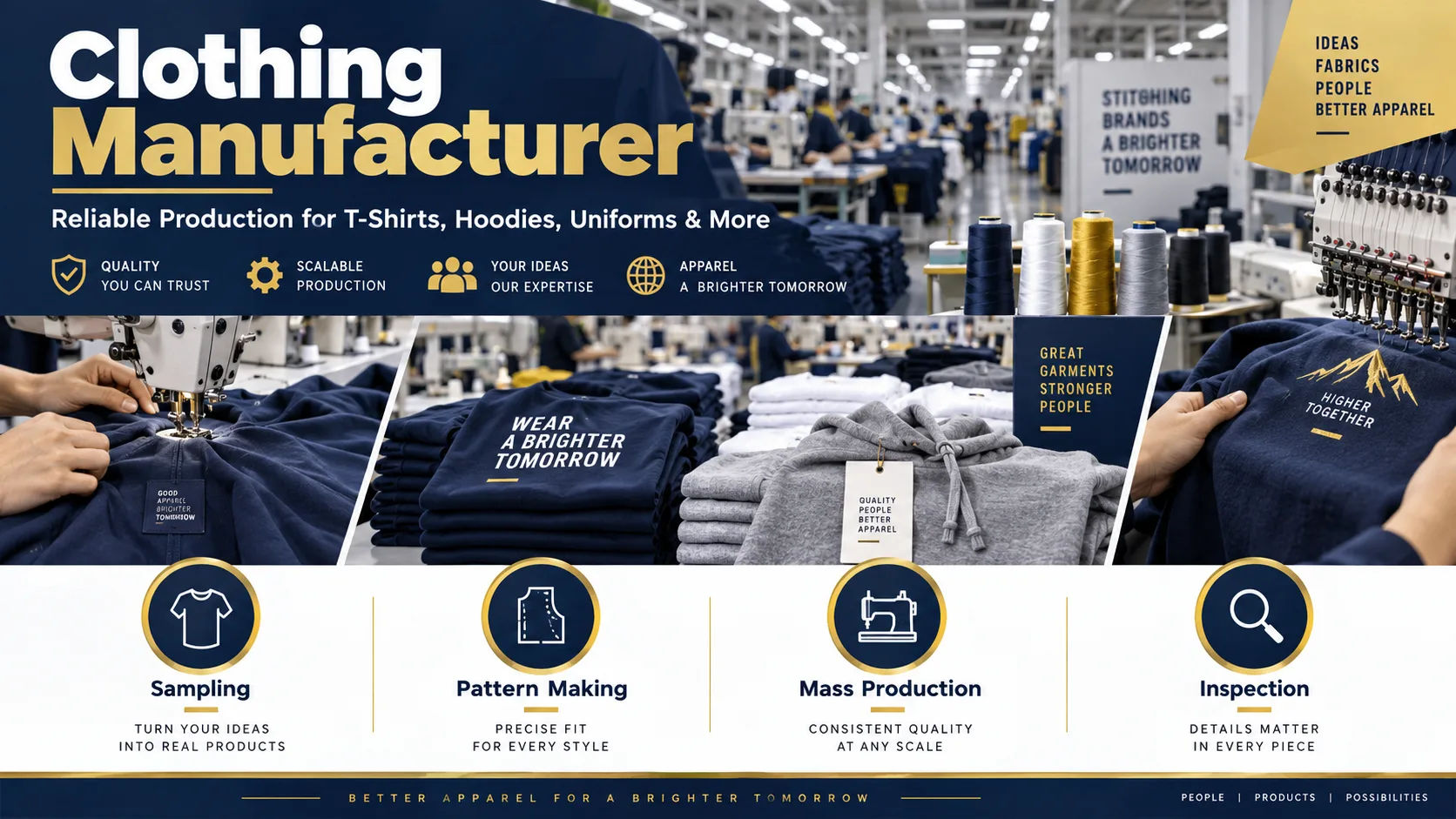
Testing usually begins with the materials and continues through manufacturing and finished-product inspection. Manufacturers may evaluate fabric strength, stretch, colorfastness, stitching, fit, moisture management, washing performance, and print durability. The exact tests depend on the garment, fabric, intended activity, and quality standards being followed.
Understanding these tests can help brands, teams, gyms, and individual buyers make better decisions when ordering custom activewear.
Why Quality Testing Matters
Activewear is exposed to more stress than ordinary casual clothing. During exercise, the fabric stretches, moves, absorbs sweat, rubs against the skin, and may repeatedly come into contact with equipment.
A garment that performs well when it is new may develop problems after only a few workouts if it has not been properly tested.
Quality testing helps identify these weaknesses before products reach customers. It can also make production more consistent, which is especially important when an entire team or organization needs matching garments.
For custom activewear, testing is particularly important because customization introduces additional variables. Different fabrics, colors, logos, embroidery, printing methods, and garment constructions can all affect final performance.
What Is Tested in Custom Activewear?
There is no single test that determines whether an activewear product is good or bad. Instead, manufacturers normally examine several characteristics.
The most important areas include fabric performance, durability, color stability, seam strength, fit, stretch recovery, moisture management, and decoration quality.
The testing process may take place at different stages. Raw fabric can be tested before cutting, samples can be tested before mass production, and finished garments can be inspected after manufacturing.
Fabric Strength and Durability
One of the first concerns is whether the fabric can withstand normal use.
Activewear fabrics are commonly exposed to repeated stretching and friction. Leggings, sports tops, shorts, and compression garments can experience significant tension during movement.
Fabric strength tests examine how much force material can withstand before it tears or breaks. Abrasion testing can also be used to determine how well a fabric handles repeated rubbing.
This matters because weak fabric can develop thin areas, holes, or surface damage over time.
A durable fabric does not necessarily have to feel thick. Many high-performance sports fabrics are lightweight while still offering excellent resistance to wear.
Stretch and Recovery Testing
Stretch is essential for most activewear. Athletes need clothing that can move with the body without becoming restrictive.
Manufacturers test how far fabric can stretch and how effectively it returns to its original shape.
Stretch recovery is particularly important. A fabric may stretch easily but fail to recover properly. After repeated use, that can result in sagging knees, loose waistbands, or garments that no longer maintain their intended fit.
For custom activewear designed for activities such as running, yoga, cycling, dance, or strength training, the required amount of stretch can vary considerably.
A fabric suitable for one activity may not be ideal for another.
Seam and Stitching Tests
Fabric can be excellent while the garment itself remains poorly constructed. This is why seams and stitching receive separate attention.
Manufacturers inspect stitch density, seam construction, thread quality, and the strength of important joining areas.
High-stress areas deserve particular attention. Waistbands, armholes, crotches, pockets, and side seams can experience considerable tension during movement.
A seam strength test measures how much force a sewn area can withstand before the seam opens or the fabric separates.
Poor stitching may not be obvious when a garment is new. Problems often appear after repeated stretching or washing.
For this reason, professional quality control should examine both the fabric and the construction.
Checking Stitch Consistency
Visual inspection is also important.
Inspectors may look for skipped stitches, loose threads, uneven seams, broken threads, puckering, or inconsistent stitching.
These issues can affect both appearance and durability.
A small loose thread may seem insignificant, but repeated pulling and washing can turn it into a larger construction problem.
Colorfastness Testing
Color is often a major part of customized sports clothing. Teams and businesses may rely on specific colors to maintain a recognizable identity.
However, bright colors can create quality problems if dyes are not properly fixed to the fabric.
Colorfastness testing examines how well a garment maintains its color when exposed to different conditions.
Washing and Detergent Resistance
One common test involves washing the fabric or finished garment repeatedly.
The purpose is to determine whether colors fade, bleed, or transfer during laundering.
This is especially important for dark or highly saturated colors.
A quality product should maintain a reasonably consistent appearance after normal washing according to its care instructions.
Sweat and Water Exposure
Sweat can also affect dyes and printed areas.
Testing may expose materials to artificial perspiration solutions to evaluate how colors respond to acidic or alkaline conditions.
This helps manufacturers identify potential discoloration problems before production.
For activewear, sweat resistance matters because the garment may be worn during intense exercise and remain damp for extended periods.
Light Exposure
Some fabrics are tested for resistance to fading caused by light.
This can be particularly relevant for outdoor sports clothing.
Long-term exposure to sunlight can gradually change the appearance of certain dyes. Testing provides manufacturers with a better understanding of how a particular fabric may perform in those conditions.
Testing Prints, Logos, and Designs
Customization often involves printed graphics, numbers, names, logos, or other decorative elements.
These features need their own quality checks.
A printed design can look perfect immediately after production but begin cracking, peeling, fading, or losing clarity after washing.
Manufacturers may perform wash and abrasion tests to assess print durability.
The printing method also matters. Screen printing, heat transfer, sublimation, embroidery, and other decoration techniques behave differently depending on the fabric and garment construction.
For custom activewear, the decoration method should therefore be selected according to both appearance and expected use.
Checking Design Accuracy
Quality control also involves checking whether the finished design matches the approved artwork.
Inspectors may compare colors, logo placement, sizing, spelling, numbers, and positioning against the original specifications.
This is particularly important for team uniforms where individual names and numbers must be accurate.
A garment can pass fabric and stitching tests but still fail quality control because the customization itself is incorrect.
Moisture Management Testing
Sweat management is one of the defining characteristics of modern activewear.
Many performance fabrics are designed to move moisture away from the skin and help it evaporate.
Moisture management testing can evaluate how quickly a fabric absorbs liquid, spreads moisture across its surface, and dries.
The objective is not simply to make a fabric absorb as much water as possible. In many sports applications, controlled moisture movement is more useful.
A fabric that becomes heavily saturated may feel uncomfortable and heavy.
Well-designed activewear aims to manage perspiration while maintaining comfort and mobility.
Breathability and Air Permeability
Breathability is another important consideration.
Air permeability testing measures how easily air passes through a fabric under controlled conditions.
A more breathable material may be useful for high-intensity activities or warm environments.
However, maximum breathability is not always the goal.
For example, certain garments may require more coverage, compression, or protection from wind. The ideal fabric depends on the intended purpose.
Quality testing therefore needs to consider the garment as a complete product rather than focusing on one characteristic in isolation.
Fit and Measurement Checks
A garment can be made from high-quality fabric and still fail if its measurements are incorrect.
Finished garments are often checked against approved size specifications.
Measurements may include garment length, chest or waist width, sleeve length, leg opening, rise, waistband dimensions, and other relevant areas.
For custom activewear, consistency between sizes is especially important.
A production sample might fit correctly while later garments vary because of cutting or sewing inconsistencies. Measurement checks help detect these differences.
Movement and Fit Testing
Measurements alone cannot tell the whole story.
Activewear needs to work while the wearer is moving.
Samples may therefore be evaluated through practical movement tests. Depending on the garment, this could involve bending, stretching, running, squatting, reaching, or other activity-specific movements.
Inspectors look for excessive pulling, uncomfortable seams, unwanted riding up, restriction, or areas where the garment becomes excessively loose.
This practical evaluation is valuable because a garment can look correct on a flat table but behave differently on a moving body.
Pilling Resistance
Pilling occurs when small fibers gather on the surface of fabric and form little balls.
It is common in materials that experience repeated friction.
Testing for pilling exposes fabric to controlled rubbing and then evaluates the resulting surface condition.
The test helps manufacturers compare fabric options and identify materials that may show visible wear quickly.
For garments used frequently, good resistance to pilling can make a noticeable difference in their long-term appearance.
Shrinkage Testing
Fabric can change dimensions after washing.
If shrinkage is not properly controlled, a garment may become shorter, tighter, or otherwise different from its original measurements.
Shrinkage testing usually involves washing or conditioning fabric according to a defined procedure and comparing measurements before and after treatment.
This is another reason care instructions matter.
Even high-quality custom activewear can be damaged if it is repeatedly exposed to washing conditions that the fabric was never designed to handle.
Testing After Washing
A useful quality process does not stop at checking a brand-new garment.
Washing is one of the simplest ways to reveal weaknesses.
After controlled washing, inspectors can examine the garment for changes in size, color, seams, fabric surface, elastic performance, and decoration.
They may compare the washed garment with an original sample.
This gives manufacturers a better picture of how the product is likely to perform during normal use.
Chemical and Material Safety Checks
Depending on the market, product type, and applicable regulations, fabrics and finished garments may also undergo testing for restricted substances or other chemical requirements.
The purpose is to ensure that materials meet relevant safety and regulatory standards.
This can be particularly important when products are manufactured in one country and sold in another because requirements may differ between markets.
A responsible supplier should be able to explain which standards or testing requirements apply to the products being supplied.
How Manufacturers Handle Failed Tests
Quality testing is not useful if manufacturers simply record failures and continue production.
When a product fails a test, the next step should be identifying the reason.
For example, poor seam strength could result from unsuitable thread, incorrect stitch settings, weak fabric, or poor construction.
A fading problem might involve the dye, finishing process, printing technique, or washing conditions.
Once the cause is identified, manufacturers can make adjustments and test again.
This process helps improve production rather than simply rejecting individual garments.
What Buyers Should Ask About Quality
Customers do not always have access to a testing laboratory, but they can still ask useful questions before ordering.
Ask what fabric is being used and what type of performance it is designed to provide.
Ask whether samples are tested before bulk production.
It is also reasonable to ask how the supplier checks color accuracy, measurements, stitching, printing, and washing performance.
If a supplier makes specific performance claims, ask what those claims are based on.
For large orders, requesting a pre-production sample can be particularly valuable. It gives the buyer an opportunity to examine fabric feel, construction, fit, colors, and customization before the entire order is manufactured.
Why Sample Testing Is So Important
A sample provides a practical reference point.
It can reveal whether the selected fabric feels right, whether the sizing works, and whether the logo or artwork looks as expected.
It can also be washed and worn before approving a larger production run.
This is one of the simplest ways to reduce unpleasant surprises.
A supplier may use a high-quality fabric but still produce an unsatisfactory garment because of incorrect sizing, poor decoration, or construction problems.
Testing the sample helps catch these issues early.
Quality Testing Is About More Than Appearance
One of the biggest mistakes buyers make is judging activewear primarily by how it looks.
Appearance matters, especially when clothing carries a team logo or brand identity. But good activewear needs to perform under real conditions.
The fabric needs to tolerate movement.
The seams need to withstand tension.
The colors need to remain stable.
The decoration needs to survive washing.
The sizing needs to remain consistent.
The garment should also provide an appropriate balance between stretch, comfort, breathability, coverage, and durability for its intended activity.
Conclusion
Quality testing is an important part of producing reliable custom activewear. It involves much more than checking whether a finished garment looks attractive. Manufacturers can test fabric strength, stretch recovery, seam durability, colorfastness, moisture management, breathability, pilling, shrinkage, printing, and finished measurements.
Not every garment requires exactly the same testing process. Running clothing, cycling kits, yoga apparel, gym uniforms, compression garments, and outdoor sportswear can have very different performance requirements. Good testing is therefore based on the intended use of the product.
For buyers, the most practical approach is to look beyond photographs and marketing claims. Ask about fabric specifications, production samples, quality inspections, decoration methods, and washing performance. When possible, test a sample before committing to a large order.
Ultimately, high-quality custom activewear should not only look right when it arrives. It should continue to fit properly, feel comfortable, retain its appearance, and perform reliably after repeated use. Proper quality testing is what helps turn a customized garment from something that simply looks good into clothing that can genuinely handle the demands of sport and exercise.