

If you plan to ship car across country, one of the most important decisions is when to make the booking. Waiting until the last minute can limit your choices, increase the price, or make it harder to find a carrier that fits your schedule. Booking too early, however, is not always necessary either.For most customers, one to two weeks before the desired pickup date is a practical starting point.
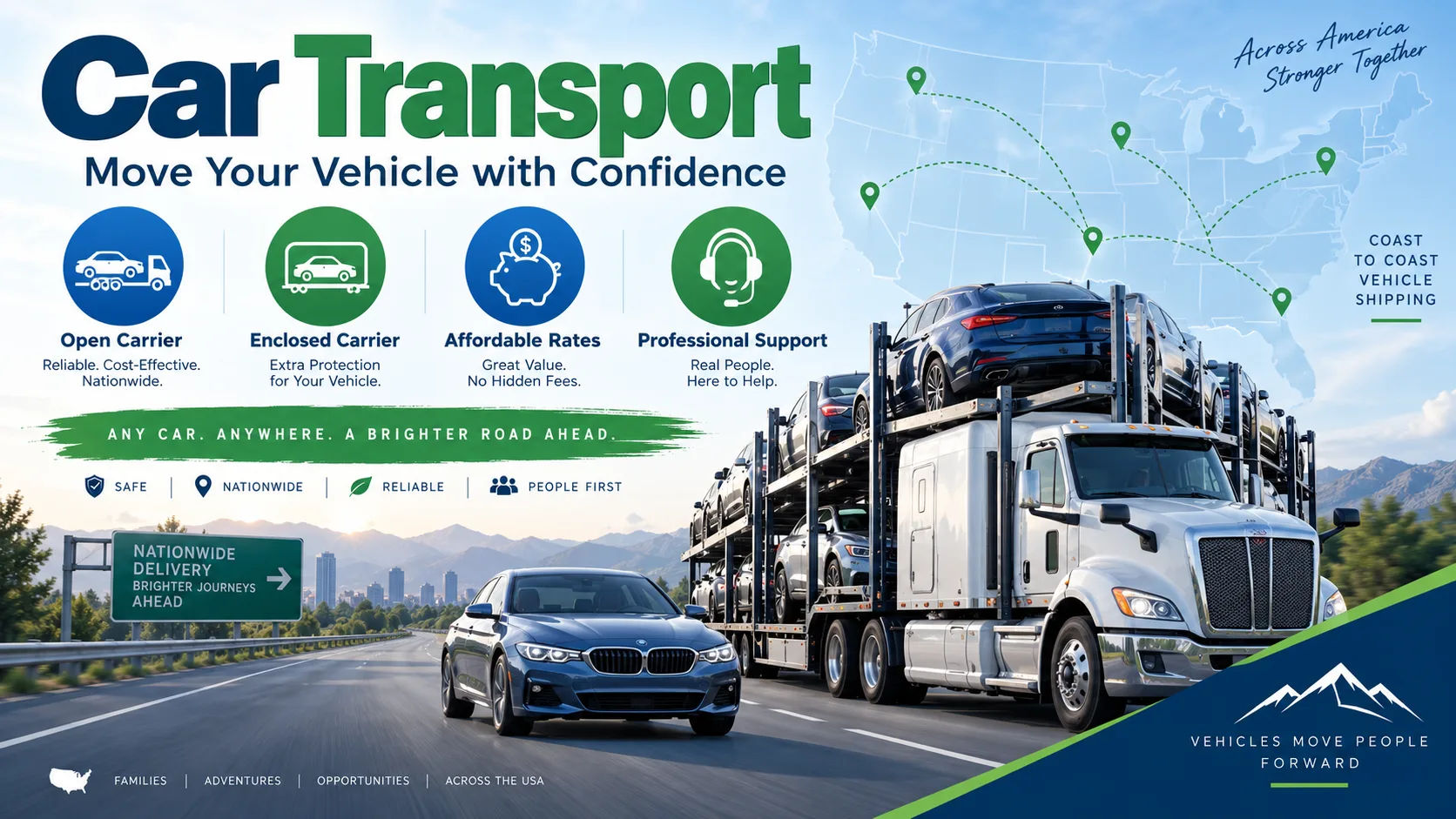
If your move is happening during a busy season, around a holiday, or involves a specific pickup date, giving yourself two to four weeks can provide more flexibility.The right timing depends on your route, vehicle, season, pickup flexibility, and transportation method. Understanding these factors can help you avoid unnecessary stress and make better arrangements.
Why Booking Early Matters
Car shipping is different from booking a standard delivery service. Your vehicle usually travels on a carrier that is already moving between particular cities and regions. The carrier needs to have space for your vehicle and a route that works with your pickup and delivery locations.
Because of this, simply placing an order does not mean a truck will immediately arrive at your door.
Early booking gives a transport company more time to coordinate your shipment with an available carrier. It can also give you more time to compare quotes, review insurance information, understand pickup procedures, and prepare your vehicle.
Another benefit is having more control over your schedule. If you wait until only a few days before your desired pickup date, you may have fewer carrier options.
What Is the Ideal Booking Window?
For a typical long-distance shipment, booking around one to two weeks ahead is often reasonable.
This window provides enough time for a carrier to be located without requiring you to arrange transportation months in advance.
However, there is no universal booking period that works for every shipment.
Booking One to Two Weeks Ahead
This is a good option for people with relatively flexible schedules.
If you know your moving date but can allow a little flexibility around pickup, two weeks can provide a useful balance between planning and practicality.
You can request several quotes, compare services, and give the carrier enough time to coordinate the route.
Booking Two to Four Weeks Ahead
Consider this timeframe when your move has a firm deadline.
For example, you may need your vehicle available shortly after arriving at a new home. You may also be coordinating flights, movers, temporary housing, or a new job.
Giving yourself several weeks creates a larger scheduling cushion.
It is particularly useful when you need an enclosed carrier, have a large vehicle, or are shipping between locations that are not served as frequently as major cities.
Booking More Than a Month Ahead
Booking several weeks or even a few months in advance can make sense for certain situations, but earlier does not automatically mean better.
Long-distance auto transport schedules can change as pickup dates approach. A quote received far in advance may not represent the exact conditions when a carrier is actually being assigned.
For that reason, extremely early booking should be about planning rather than assuming everything is permanently locked into place.
How the Season Affects Car Shipping
The time of year can significantly affect how early you should arrange transportation.
Auto transport demand tends to fluctuate throughout the year. When more customers are trying to move vehicles at the same time, available carrier capacity can become tighter.
Summer Can Be Busy
Summer is a popular moving season.
Families often relocate when children are out of school, college students move between locations, and people take advantage of favorable weather.
If you plan to ship car across country during the summer, booking two to four weeks ahead is often more comfortable than waiting until the final few days.
Popular routes may have plenty of carriers, but demand can still influence availability and pricing.
Winter Has Different Challenges
Winter transportation can be affected by snow, ice, storms, and difficult road conditions.
Some northern routes become more complicated during severe weather. Pickup and delivery schedules may need additional flexibility when roads are unsafe.
If your route passes through areas with winter weather, allowing extra time can be helpful.
Holidays Require Extra Planning
Major holidays can affect trucking schedules.
Drivers may take time off, traffic can increase, and some businesses operate on reduced schedules.
If your transportation date is close to a major holiday, consider booking earlier than you normally would.
A few extra weeks of planning can reduce the pressure of trying to coordinate everything at the last minute.
Your Route Also Matters
The distance between two cities is only part of the equation.
The popularity of the route can influence how easily a carrier can be matched with your shipment.
Major Cities Usually Have More Options
Large metropolitan areas are commonly connected to major transportation corridors.
If you are shipping between two major cities, carriers may regularly travel through or near both locations.
This can make scheduling easier.
Rural Locations May Need More Flexibility
Pickup or delivery in a rural area can require additional planning.
A carrier may not want to take a large truck far away from its normal route just for one vehicle. In some cases, you may be offered a nearby terminal or more accessible meeting point instead.
If you live outside a major city, booking earlier can provide more opportunities to coordinate the pickup.
How Your Vehicle Affects Booking Time
The type and condition of your vehicle can also influence transportation arrangements.
A standard passenger car is generally straightforward to load onto a carrier.
Larger vehicles may take more space.
SUVs, Trucks, and Oversized Vehicles
Large SUVs, pickup trucks, vans, and modified vehicles can occupy more carrier space than smaller sedans.
Because carriers have limited space, this can affect availability.
If you own a particularly large vehicle, providing accurate dimensions and details during the quote process is important.
Inoperable Vehicles
A vehicle that cannot start, steer, or brake may require special equipment.
The carrier may need a winch or additional loading equipment to move the vehicle safely.
That means an inoperable vehicle can require more coordination than a normal running vehicle.
If your vehicle does not operate, mention this when requesting transportation rather than waiting until pickup day.
Open or Enclosed Transport?
Your choice of transport method can influence how much advance planning makes sense.
Open transport is the most common option for ordinary vehicles. The vehicle travels on an open carrier alongside other cars.
Enclosed transport provides additional protection from road debris and weather exposure. It is often selected for luxury, classic, exotic, collectible, or highly valuable vehicles.
Because enclosed carriers have less capacity and serve a more specialized market, you may want to arrange this type of transportation earlier.
If protecting a specialty vehicle is a major priority, do not assume a carrier will be available at short notice.
Does Booking Earlier Always Save Money?
Not necessarily.
One common misconception is that booking as early as possible guarantees the lowest price.
Auto transport pricing depends on several factors, including fuel costs, route demand, vehicle size, carrier availability, season, pickup and delivery locations, and timing.
A quote several weeks before transportation is not necessarily a permanent price.
The bigger advantage of early booking is usually flexibility, not an automatic discount.
You have more time to compare companies and transportation options rather than accepting the first available solution.
Why Last-Minute Booking Can Be Risky
Waiting until the final few days can create several problems.
The most obvious issue is availability.
If the carriers serving your route are already booked, you may need to wait for the next available truck.
You may also have to accept a less convenient pickup date.
Another issue is price. When you have a strict deadline and limited options, you may have less negotiating flexibility.
Last-minute transportation can sometimes be arranged successfully, especially on popular routes. But relying on that outcome is not the best strategy when your schedule is important.
What If Your Pickup Date Is Flexible?
Flexibility can be extremely valuable.
Suppose you want your vehicle picked up around the 15th but could accept pickup on the 13th, 14th, 16th, or 17th.
That wider window gives a carrier more opportunities to fit your vehicle into an existing route.
When requesting quotes, explain your actual flexibility rather than providing a single date if you genuinely have several acceptable options.
This can make the process easier for both you and the carrier.
What Should You Do After Booking?
Making the reservation is only one part of preparing to ship car across country.
You should also prepare the vehicle and confirm the transportation details.
Confirm Pickup and Delivery Information
Make sure the company has the correct addresses, phone number, vehicle information, and preferred dates.
If your pickup location has restrictions for large trucks, mention them in advance.
A carrier may need to use a nearby accessible location if the truck cannot safely reach your driveway.
Prepare the Vehicle
Clean the exterior before pickup.
This makes it easier to document existing scratches, dents, or other visible damage during the inspection.
Remove personal belongings unless the carrier specifically permits them under its terms.
You should also make sure the vehicle has only the necessary amount of fuel and that personal items do not interfere with loading.
Document Existing Damage
Take clear photographs of the vehicle from different angles before handing it over.
Photograph noticeable scratches, dents, chips, cracked glass, and other existing damage.
These records can be useful when comparing the vehicle's condition at delivery.
How Far in Advance Should You Get Quotes?
You can begin researching transportation companies several weeks before your intended pickup date.
This gives you time to compare the services offered rather than making a rushed decision.
Do not focus only on the lowest number.
Ask what is included, how pickup works, what insurance coverage applies, how communication is handled, and whether the company is a broker or carrier.
Understanding these differences can help you recognize why two quotes may not actually represent the same service.
What About Expedited Car Shipping?
Sometimes you cannot wait two or three weeks.
A new job may require an immediate relocation. A vehicle purchase may need to be transported quickly. A family emergency may also create a sudden transportation need.
In these circumstances, expedited arrangements may be possible.
However, faster service can involve additional costs and does not eliminate the realities of carrier availability.
If time is critical, tell the transportation company exactly when the vehicle needs to be picked up and when it needs to arrive.
Avoid assuming that a guaranteed pickup date automatically means a guaranteed delivery date unless the terms clearly state otherwise.
A Practical Timeline for Your Shipment
A simple timeline can make the process easier.
Three to Four Weeks Before Pickup
Start researching companies and collecting quotes.
Decide whether open or enclosed transport is appropriate.
Confirm that the vehicle details you provide are accurate.
Two Weeks Before Pickup
Ideally, have your transportation arrangement underway.
Review the agreement and confirm pickup information.
Ask questions about insurance, payment, cancellation policies, and the expected communication process.
One Week Before Pickup
Begin preparing the vehicle.
Clean it, remove unnecessary belongings, check tire pressure, and make sure the battery and other basic components are in reasonable condition.
Confirm that your phone number and pickup information are still correct.
Pickup Day
Be available during the agreed pickup window.
The driver will typically inspect the vehicle and document its condition before loading.
Keep copies of your paperwork and photographs.
Delivery
Inspect the vehicle before accepting it.
Compare its condition with the pickup documentation.
If you notice a problem, document it immediately and follow the carrier's claims procedure.
Common Mistakes to Avoid
One mistake is waiting until the last possible moment because you assume every route has constant carrier availability.
Another is providing incomplete vehicle information.
For example, failing to mention that a vehicle is oversized or inoperable can cause problems when the carrier arrives.
Choosing a company solely because it offers the lowest quote can also create unnecessary complications.
Finally, avoid treating an estimated pickup or delivery date as though it were an exact appointment unless the agreement specifically provides that level of certainty.
So, How Early Should You Book?
For most ordinary cross-country vehicle shipments, one to two weeks ahead is a reasonable target.
If your dates are strict, your route is less common, your vehicle requires special handling, or you are traveling during a busy period, consider two to four weeks instead.
The goal is not simply to book as early as possible. The goal is to give yourself enough time to find a suitable carrier while maintaining reasonable flexibility.
If your schedule is highly flexible, you may have more options even with shorter notice. If your schedule is rigid, early planning becomes much more important.
Conclusion
Knowing when to ship car across country is largely about balancing preparation with flexibility. For many standard shipments, arranging transportation one to two weeks ahead provides a practical window. For busy seasons, holidays, specialty vehicles, rural locations, or strict deadlines, planning two to four weeks ahead can be a safer approach.
Booking early gives you time to compare companies, understand the agreement, prepare your vehicle, and deal with unexpected scheduling issues. It does not guarantee the cheapest price, but it can reduce the pressure that comes with limited availability.
The most important thing is to avoid waiting until your moving date is only a few days away unless you have a genuinely flexible schedule. Start researching early, provide accurate vehicle and route information, and communicate your timing clearly. With realistic expectations and proper preparation, shipping a vehicle across the country can be a much more manageable part of a long-distance move.