
If you have a vehicle sitting in your driveway because it no longer starts, you may wonder whether car wreckers geelong will actually accept it. The good news is that many vehicle wreckers and car removal businesses in Geelong accept cars that are no longer running. Local services advertise collection of old, damaged, unwanted, and non-running vehicles, meaning a broken-down car does not necessarily need to be repaired before you can sell or remove it.
A non-running vehicle can be difficult to sell privately. Most private buyers want a car that can be inspected, started, test-driven, and driven home. If the engine has failed, the transmission is damaged, or the car has been sitting unused for years, finding a suitable buyer can become difficult.
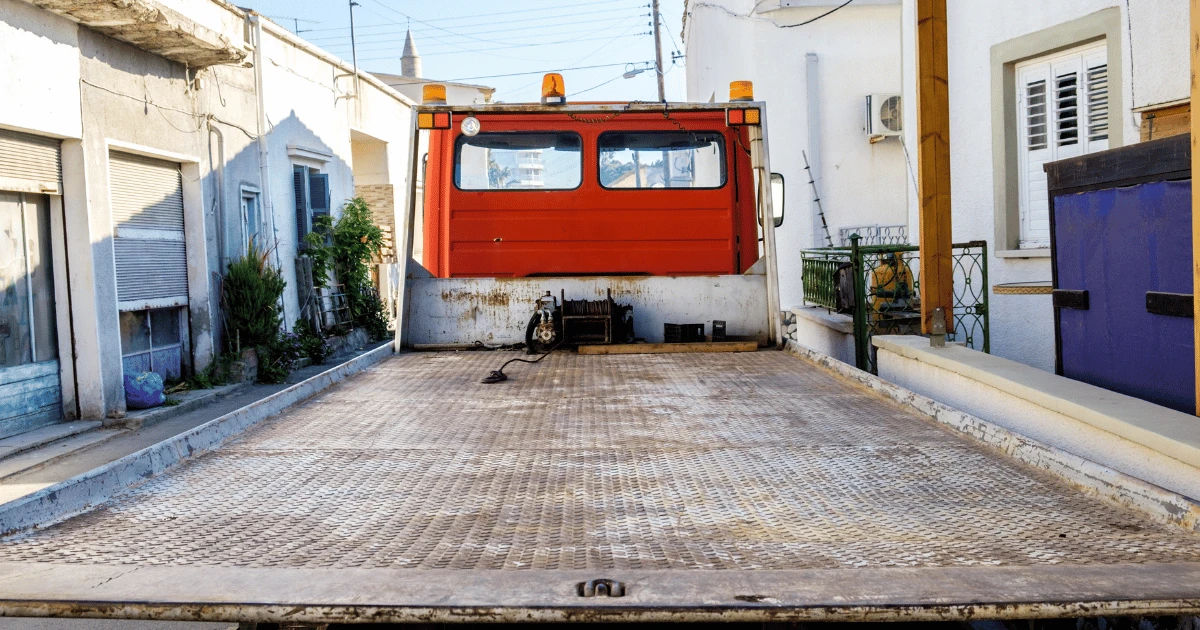
Wreckers operate differently. They can assess a vehicle based on its remaining components, scrap value, condition, make, model, age, and demand for reusable parts. Some businesses can also arrange towing, so you may not need to drive the vehicle to the yard yourself.
This guide explains how the process works, what happens to a non-running vehicle, what can affect its value, and what you should check before arranging collection.
Why Do Wreckers Accept Non-Running Cars?
The main reason is that a vehicle does not have to be mechanically operational to have value.
A non-running car may still contain many useful components. Depending on its condition, parts such as doors, mirrors, wheels, seats, lights, panels, windows, electronics, suspension components, and interior fittings may be reusable.
The engine and transmission can also have value if they are repairable or suitable for parts. Even when major mechanical components are beyond repair, the vehicle may still contain recyclable metals and other materials.
This makes a non-running vehicle different from an ordinary private-sale car. A private buyer may see a failed engine as a major problem. A wrecker can instead evaluate the vehicle as a combination of reusable components and recyclable materials.
Local Geelong businesses advertise accepting vehicles regardless of whether they are running. For example, some local services specifically mention non-running vehicles among the cars they collect.
What Types of Non-Running Cars Can Be Accepted?
There is no single rule covering every wrecker. Each business has its own assessment process. However, many types of non-running vehicles may be considered.
Cars With Failed Engines
An engine failure is one of the most common reasons a vehicle stops being used.
A replacement engine can be expensive, particularly when the car is older. If the expected repair cost is higher than the vehicle's practical value, selling it to a wrecker may be a more sensible option.
The vehicle can potentially be dismantled for parts instead of being repaired and returned to the road.
Cars With Transmission Problems
Transmission repairs can also be costly. A car that will not move because of a transmission failure may still contain valuable components.
A wrecker can assess whether the transmission or other components have resale value. The rest of the vehicle can be processed for parts and recycling.
Accident-Damaged Vehicles
A vehicle does not have to be completely destroyed to be considered for wrecking.
After an accident, some parts may remain in good condition even if the body has significant damage. Undamaged doors, lights, wheels, interior components, electrical parts, and mechanical components may still be useful.
Local Geelong wrecking services advertise collection of damaged and accident-affected vehicles as well as non-running cars.
Old Cars That Have Been Sitting Unused
Sometimes a car stops running simply because it has been parked for a long period.
An old vehicle may have deteriorated tyres, a flat battery, mechanical problems, or other issues caused by age and lack of use.
If you have no plans to repair it, contacting car wreckers geelong can provide an alternative to leaving the vehicle on your property indefinitely.
Unregistered Vehicles
Some local removal businesses also advertise services for unregistered vehicles.
However, registration and ownership requirements can vary depending on the circumstances. It is sensible to ask the buyer what documents they require before collection.
How Is a Non-Running Car Collected?
The biggest concern for many owners is transportation.
If the car does not start, you may not have the equipment or ability to move it yourself. Fortunately, some Geelong vehicle removal services advertise towing or free vehicle collection.
The exact collection method depends on the vehicle and its location.
A removal operator may use suitable towing equipment to load the car and transport it to the appropriate facility. When requesting a quote, explain that the vehicle is non-running.
This information matters because the operator needs to know whether the car can move, steer, or roll. Giving accurate information helps the business prepare the appropriate equipment.
You should also mention if the vehicle is located in a garage, behind a property, on a narrow driveway, or somewhere that could make access difficult.
What Information Should You Give the Wrecker?
Providing accurate details can make the quoting process easier.
Start with the vehicle's make, model, and approximate year. You should also explain why the car does not run.
For example, you might say that the engine has failed, the battery is dead, the transmission is damaged, or the vehicle has been sitting unused.
It can also help to describe the overall condition.
Tell the business whether the body is damaged, whether major parts are missing, and whether the wheels and tyres are still fitted.
Photos can be useful when requesting an estimate. Clear photographs of the exterior, interior, engine area, wheels, and visible damage give the buyer a better understanding of the vehicle.
However, a final offer may depend on an inspection or confirmation of the vehicle's condition.
Does a Non-Running Car Have Any Value?
Yes, a non-running vehicle can still have value, although the amount varies significantly.
The price is influenced by several factors rather than simply whether the engine starts.
The make and model can matter because some vehicles have stronger demand for used components.
The age of the vehicle can also influence its value. Some older models have parts that are difficult to find, while newer vehicles may contain components with stronger demand.
Condition is another important factor. A vehicle with a failed engine but many intact components could be more valuable than one that has been heavily damaged or stripped of parts.
The presence of valuable recyclable materials can also contribute to the overall assessment.
For these reasons, it is better to request an individual quote rather than assuming that every non-running car has the same value.
What Can Reduce the Value of a Non-Running Car?
A non-running condition naturally affects the value compared with a fully operational vehicle, but several additional factors can reduce the offer.
Missing parts are one example.
If important components have already been removed, there may be fewer reusable parts for the buyer.
Severe accident damage can also reduce the value of reusable components.
Extensive corrosion is another consideration. Heavy rust can make some components unsuitable for reuse and may increase the work required to dismantle the vehicle.
The location of the vehicle can affect collection arrangements as well. Difficult access may require additional equipment or time.
Being honest about these issues is important. Accurate information helps prevent misunderstandings when the vehicle is collected.
Can You Sell a Car With a Dead Battery?
A dead battery does not necessarily mean the vehicle has no value.
A battery may simply be discharged, or it may have reached the end of its useful life. Either way, a dead battery does not automatically prevent a wrecker from accepting the vehicle.
The important distinction is whether the entire vehicle is non-running or whether the battery is the only issue.
If you are unsure, explain the situation to the buyer. They can tell you whether they are interested and what information they need to provide a quote.
Do not assume that you need to repair the battery before contacting a wrecker.
Should You Repair the Car Before Selling It?
This depends on the repair and the vehicle's overall condition.
Small repairs may sometimes make sense if they restore the vehicle to useful condition. However, major mechanical repairs can become expensive quickly.
Suppose an older vehicle needs a replacement engine, transmission, suspension work, and electrical repairs. Spending thousands of dollars before selling may not necessarily increase the final selling price by the same amount.
A practical approach is to compare the likely repair cost with the vehicle's current market and salvage value.
You can request a quote from car wreckers geelong before deciding whether repairs are worthwhile. This gives you another figure to consider.
What Happens After the Wrecker Collects the Car?
Once a non-running vehicle reaches a wrecking or dismantling facility, it can be assessed for reusable components.
Parts that are in suitable condition may be removed, checked, and prepared for resale.
Depending on the business and vehicle, components can include lights, mirrors, doors, panels, seats, wheels, electrical parts, suspension components, and mechanical parts.
The remaining shell and other materials can then enter recycling processes.
Vehicle recycling helps recover materials that can be used again rather than sending everything directly to landfill. It also gives useful automotive components a second life.
Local Geelong wreckers advertise used automotive parts alongside vehicle removal and dismantling services, illustrating how one unwanted vehicle can provide components for other repairs.
What Documents May Be Required?
Before collection, ask the business what documentation it requires.
You may need to demonstrate that you are entitled to sell or dispose of the vehicle. Requirements can depend on the vehicle's registration status and the circumstances of the sale.
Having relevant ownership and vehicle information available can make the process smoother.
If you are unsure about paperwork, ask the buyer before arranging collection rather than discovering a problem when the tow truck arrives.
You should also make sure you remove personal belongings from the vehicle.
Check the glove box, centre console, boot, door pockets, under seats, and other storage areas. Items can easily be forgotten when a vehicle is collected.
How Should You Compare Wrecker Quotes?
Getting more than one quote can help you understand the market value of your vehicle.
Give each business the same basic information. Tell them the make, model, year, condition, reason it does not run, and whether important components are missing.
Ask whether the quoted amount includes vehicle collection.
Some businesses advertise free towing or removal, but you should still confirm the arrangement before accepting an offer.
You should also ask whether the quoted amount is final or subject to an inspection.
A transparent quote should clearly explain any conditions that could change the amount.
What Should You Do Before Collection?
A little preparation can prevent unnecessary problems.
Remove all personal possessions from the vehicle.
Collect any spare keys, service records, and relevant vehicle documents you have.
Take photographs of the vehicle before it is collected. These can provide a record of its condition.
Make sure the collection area is accessible. If the car is parked behind another vehicle, for example, move the other vehicle if possible.
Tell the removal company about any access problems in advance.
Most importantly, accurately describe the vehicle's condition. If it cannot roll or steer, say so.
Are Non-Running Cars Worth Selling to Wreckers?
For many owners, the answer can be yes.
A non-running car can be difficult to sell privately because the buyer has to arrange repairs and transportation. A wrecker's business model is better suited to vehicles that are damaged, old, unwanted, or mechanically defective.
Local services in Geelong specifically advertise buying or removing non-running vehicles, making this a practical option for owners who no longer want to repair their cars.
The key is to consider the complete situation rather than focusing only on the fact that the engine does not start.
A car can still contain valuable parts and recyclable materials.
How Can You Make the Process Easier?
The easiest process usually starts with good information.
Prepare the vehicle details before making contact. Know the make, model, approximate year, location, and reason the vehicle does not run.
Take several clear photographs.
Be upfront about missing parts and major damage.
Ask whether towing is included and confirm the collection arrangements.
Finally, compare quotes rather than accepting the first number automatically.
These simple steps can make the transaction clearer and reduce delays.
Choosing a Local Wrecker in Geelong
If you are comparing local options, look for a business that clearly explains its removal process and conditions.
For example, Garden City Auto Wreckers is listed as an auto wrecker in Norlane, while Geelong Auto Wreckers operates in Moolap. All Geelong Car Removals is another local auto-wrecker listing in North Geelong.
When choosing a service, focus on transparent communication, appropriate collection arrangements, and clear information about the offer.
Do not choose a business solely because it advertises the highest possible amount. The actual value of an individual vehicle depends on its condition, parts, age, model, and other factors.
Conclusion
So, do car wreckers geelong accept non-running cars? In many cases, yes. Local businesses advertise accepting vehicles that are non-running, damaged, old, unwanted, or otherwise unsuitable for continued use.
A car does not need to start in order to have value. Its usable parts, recyclable materials, body components, and other remaining assets can all contribute to its worth.
The biggest advantage for an owner is convenience. Instead of paying for major repairs or finding a private buyer willing to take on a broken vehicle, you may be able to arrange an assessment and collection.
The process is usually straightforward: provide the vehicle details, explain its condition, request a quote, confirm collection arrangements, prepare the necessary documents, and remove your personal belongings.
Before accepting an offer, compare several options and confirm whether towing or removal is included. Ask questions about any conditions attached to the quote so you know exactly what to expect.
Most importantly, remember that every vehicle is different. A car with a failed engine may have considerable parts value, while a severely damaged or incomplete vehicle may receive a lower offer. The best way to know what your particular vehicle is worth is to provide accurate information and obtain an individual assessment.
For someone with an unwanted car that no longer runs, using a reputable local wrecker can therefore be a practical way to clear the vehicle from their property while allowing useful automotive materials and components to be recovered.