

The trucking industry depends on a steady flow of freight, reliable communication, and well-organized transportation planning. When a truck is available but does not have a suitable shipment, the carrier can lose valuable time and money. This is where load sourcing and dispatch becomes an important part of successful trucking operations.
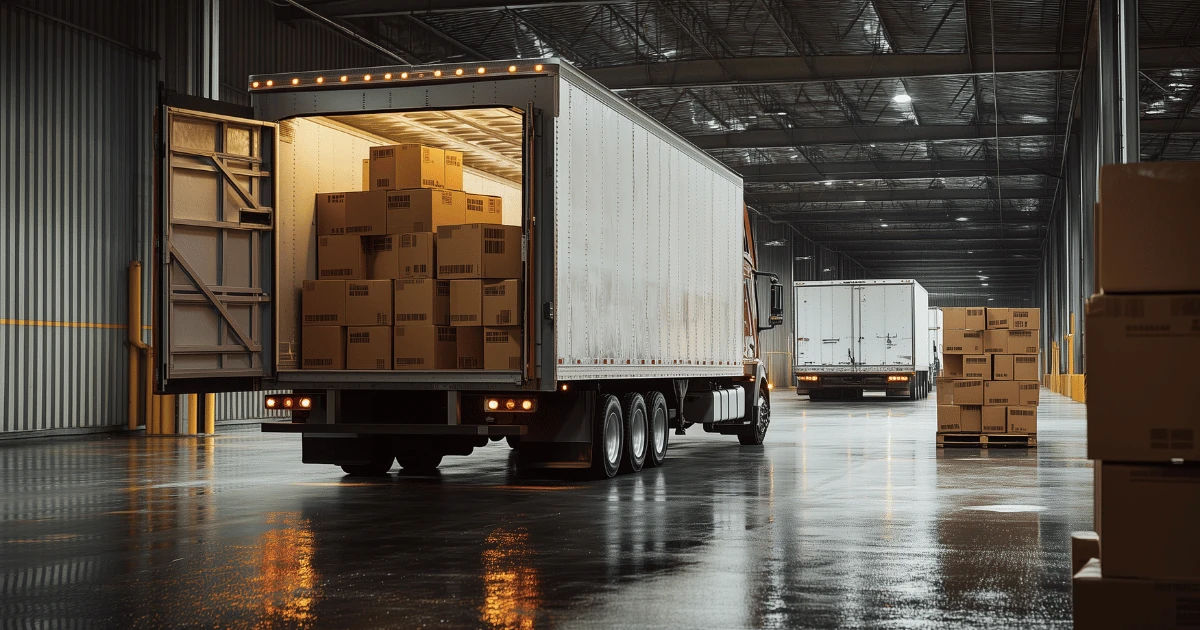
For carriers and owner-operators, finding the right freight is only one part of the process. The load must also match the truck's equipment, route, schedule, and financial goals. After a suitable shipment is found, someone must manage communication, rate negotiations, pickup details, delivery instructions, paperwork, and changes along the way.
This is why load sourcing and dispatch plays such an important role in modern freight transportation. It connects available trucks with available freight while helping carriers manage the many administrative and operational responsibilities involved in moving a shipment.
A strong process can help reduce empty miles, improve revenue, save time, and create better relationships with brokers and shippers. In a competitive trucking market, these advantages can have a direct impact on profitability.
What Is Load Sourcing?
Load sourcing is the process of finding available freight for a truck or transportation company. Freight may be found through load boards, brokers, shippers, freight networks, transportation management systems, or established business relationships.
A dispatcher or carrier searches for loads based on several factors. These can include the truck's current location, destination preferences, equipment type, weight capacity, pickup time, delivery deadline, and expected rate.
The goal is not simply to find any available shipment. The goal is to find a shipment that makes business sense.
For example, a dry van carrier located in Dallas may find a shipment going to Atlanta. If the rate is reasonable and the delivery schedule fits the driver's availability, the load may be a good opportunity. However, if the shipment requires equipment the carrier does not have, it cannot be accepted.
What Is Dispatch?
Dispatch is the process of coordinating a truck's movement and managing communication throughout a shipment. A dispatcher may communicate with brokers, shippers, receivers, drivers, and other parties involved in transportation.
Dispatch responsibilities can begin before a load is booked and continue until the shipment has been delivered and the required paperwork has been submitted.
A dispatcher may help confirm pickup and delivery information, provide route details, communicate schedule changes, track the shipment, and make sure the driver has the information needed to complete the trip.
This makes dispatch an important operational function rather than simply a load-finding service.
Why Is Load Sourcing and Dispatch Important?
The importance of load sourcing and dispatch comes from the way these services support the complete freight cycle. Finding freight without proper coordination can create problems, while good dispatching without reliable freight opportunities can leave trucks unproductive.
When the two functions work together, carriers can operate more efficiently.
1. It Helps Keep Trucks Moving
A truck that sits without freight is generally not producing revenue. However, the carrier still has expenses such as insurance, maintenance, loan payments, fuel-related costs, and other operating expenses.
Consistent freight opportunities can help reduce unnecessary downtime.
A dispatcher can monitor available loads and search for shipments that fit the truck's location and equipment. Instead of waiting for a driver to find the next opportunity, the search can begin before the current shipment is completed.
This proactive approach can make transportation operations more productive.
2. It Can Reduce Empty Miles
Empty miles occur when a truck travels without carrying revenue-generating freight. Some empty mileage is unavoidable, but excessive deadhead can negatively affect profitability.
Effective load sourcing and dispatch considers what happens after a shipment is delivered. Rather than focusing only on the current load, a dispatcher can look for freight near the delivery location.
For instance, if a truck is delivering in Chicago, the next suitable shipment might be located in a nearby market. Planning ahead can reduce the distance the driver travels without a load.
Fewer empty miles can mean better fuel efficiency and more productive use of the truck.
3. It Saves Valuable Time
Truck drivers have many responsibilities. Driving safely should remain their primary focus, while searching for freight and managing paperwork can consume additional time.
Dispatch support can take much of the administrative workload away from the driver.
A dispatcher can search for loads, communicate with brokers, review shipment details, and organize information while the driver concentrates on transportation.
Time savings can become especially valuable for small carriers and owner-operators who handle many responsibilities themselves.
4. It Supports Better Rate Negotiation
Freight rates can vary based on market conditions, lane demand, equipment availability, fuel costs, shipment requirements, and timing.
A dispatcher who understands the freight market may be able to identify opportunities and negotiate more effectively with brokers.
Good negotiation does not mean accepting every high-paying load without investigation. The rate must be considered alongside mileage, fuel expenses, tolls, detention risks, loading time, and the possibility of finding another load afterward.
Effective load sourcing and dispatch looks at the overall economics of a trip rather than focusing only on the advertised rate.
How Load Sourcing Works Step by Step
Step 1: Understanding the Truck
The first step is knowing what equipment is available. A dispatcher needs information about the truck type, trailer type, capacity, current location, and availability.
Different freight requires different equipment. Dry vans, reefers, flatbeds, step decks, and other equipment types have different opportunities and requirements.
Step 2: Searching for Suitable Freight
Once the truck information is known, the dispatcher searches for available shipments.
Load boards are commonly used for this purpose. Other opportunities may come from brokers, direct shippers, freight marketplaces, and existing customer relationships.
The dispatcher compares loads based on route, rate, mileage, timing, and requirements.
Step 3: Reviewing the Load
A shipment should be reviewed carefully before accepting it.
Important details include pickup and delivery locations, appointment times, commodity, weight, dimensions, special handling requirements, rate, detention terms, and any restrictions.
This step helps prevent surprises later.
Step 4: Negotiating and Booking
If the load is suitable, the dispatcher or carrier can communicate with the broker or shipper.
The rate and terms may be negotiated before the shipment is booked. Once both parties agree, the required confirmation and shipment information should be reviewed carefully.
Step 5: Coordinating the Trip
After booking, dispatch continues through the transportation process.
The driver receives pickup instructions and other necessary information. The dispatcher may monitor progress and communicate with the broker or shipper when updates are required.
How Dispatch Helps Drivers
Drivers often spend long hours on the road. Managing additional administrative tasks while driving can be distracting and inefficient.
A professional dispatch process gives drivers a central point of communication for operational matters.
Dispatchers can help provide information about appointments, pickup numbers, delivery instructions, and changes to the schedule.
They may also communicate with brokers when unexpected issues occur.
For example, if a driver experiences a delay caused by traffic, weather, a mechanical issue, or extended loading time, the dispatcher can notify the appropriate parties.
This communication can help maintain transparency and reduce misunderstandings.
Improving Route and Trip Planning
Transportation profitability depends on more than the amount paid for a single load.
The entire trip needs to be considered.
A good dispatcher evaluates the pickup location, delivery location, expected mileage, estimated fuel consumption, possible tolls, and opportunities for the next shipment.
This is another reason load sourcing and dispatch should be treated as a connected process.
Suppose one load pays $3,000 but requires a long empty trip afterward. Another load pays $2,700 but delivers in an area with strong freight demand. The second option may produce better overall results.
Strategic planning can therefore be more valuable than simply choosing the highest advertised rate.
Reducing Administrative Work
Trucking involves considerable documentation.
Depending on the shipment and business structure, carriers may deal with rate confirmations, bills of lading, proof of delivery documents, invoices, detention documentation, and other records.
Managing these documents can become difficult when a driver is also responsible for finding freight and communicating with customers.
Dispatch support can organize information and help make sure important documents are collected and passed to the appropriate parties.
Better organization can also reduce the risk of missing information that could delay payment.
Improving Communication
Communication is one of the most important parts of freight transportation.
A shipment can involve several parties, including the driver, carrier, broker, shipper, receiver, and sometimes a third-party logistics provider.
Without clear communication, even a simple shipment can become complicated.
A dispatcher can act as a communication link between the driver and other parties. Updates about arrival times, delays, loading problems, or delivery changes can be communicated quickly.
Strong communication also helps build professional relationships.
Helping Small Carriers Compete
Large transportation companies may have entire departments dedicated to operations, sales, compliance, and customer service. Small carriers often have fewer resources.
Owner-operators may have to drive, maintain equipment, manage documents, communicate with brokers, and search for freight.
Professional load sourcing and dispatch can help smaller carriers access operational support without building a large internal team.
This can allow an owner-operator to spend more time focused on driving and maintaining the truck while dispatch support handles many business-related tasks.
Better Freight Decisions
Not every load is a good load.
A shipment can appear attractive because of its gross rate while being less profitable after expenses and lost time are considered.
Dispatchers should evaluate the complete picture.
Questions worth considering include:
-
How many loaded miles are involved?
-
How many empty miles are required?
-
What equipment is needed?
-
How long will pickup and delivery take?
-
Is the appointment schedule realistic?
-
What is the expected rate per mile?
-
Are there additional accessorial charges?
-
Is there good freight available after delivery?
These questions help carriers make more informed decisions.
Building Strong Broker Relationships
Reliable transportation providers often benefit from developing long-term relationships with reputable brokers and shippers.
A carrier that communicates well, arrives on time, provides accurate documents, and handles shipments professionally can become a preferred transportation partner.
Dispatchers can contribute to these relationships by maintaining professional communication and responding promptly to operational issues.
Over time, strong relationships may create access to more consistent freight opportunities.
The Role of Technology
Technology has changed the way modern trucking businesses manage freight.
Load boards, GPS tracking, transportation management systems, electronic logging systems, digital document platforms, and communication tools can make operations faster and more organized.
Technology can help dispatchers identify available freight, compare opportunities, monitor shipments, and organize documentation.
However, technology does not replace good judgment.
A load board may show hundreds of shipments, but someone still needs to determine whether a particular load is actually suitable for the carrier.
Common Mistakes to Avoid
Choosing Freight Based Only on Rate
A high rate does not automatically mean high profit. Mileage, fuel, delays, tolls, and the next available load should also be considered.
Ignoring Empty Miles
A strong loaded rate can become less attractive when a truck must travel hundreds of unpaid miles afterward.
Accepting Loads Without Reviewing Details
Incorrect weight, appointment times, equipment requirements, or delivery instructions can create serious operational problems.
Poor Communication
Failing to provide updates can damage relationships and create unnecessary disputes.
Lack of Planning
Booking one load at a time without considering the next destination can result in unnecessary downtime and deadhead miles.
How to Choose a Reliable Dispatch Service
Carriers considering professional dispatch support should evaluate the service carefully.
Ask what services are included, how communication is handled, how loads are selected, and how rates are negotiated.
It is also important to understand the company's pricing structure and contract terms before starting.
A reliable provider should be transparent about its services and should not make unrealistic promises about guaranteed revenue.
Good load sourcing and dispatch should focus on practical business improvement rather than unrealistic income claims.
Conclusion
The trucking industry requires much more than putting freight on a truck and driving it to its destination. Carriers must find suitable shipments, manage schedules, communicate with multiple parties, control operating costs, handle paperwork, and keep trucks productive.
That is why load sourcing and dispatch is so important.
Load sourcing helps carriers identify freight opportunities that match their equipment, location, route, and business goals. Dispatch helps coordinate those shipments and manage communication throughout the transportation process.
Together, these functions can reduce empty miles, save time, support better freight decisions, improve communication, and help carriers maintain more consistent operations.
For owner-operators and small fleets, the benefits can be particularly valuable. Instead of spending every available hour searching for freight or dealing with administrative tasks, drivers can focus more closely on safe and efficient transportation.
The most effective approach is not simply to find the highest-paying load. It is to understand how each shipment fits into the larger business strategy. A profitable trip should consider rate, mileage, fuel, time, equipment, destination, and future freight opportunities.
When handled professionally, load sourcing and dispatch can become an important part of a carrier's overall growth strategy. It provides the organization and coordination needed to turn freight opportunities into productive trips.
Ultimately, successful trucking depends on making smart decisions before, during, and after every shipment. With careful planning, reliable communication, appropriate freight selection, and efficient dispatch support, carriers can improve their daily operations while creating a stronger foundation for long-term profitability.